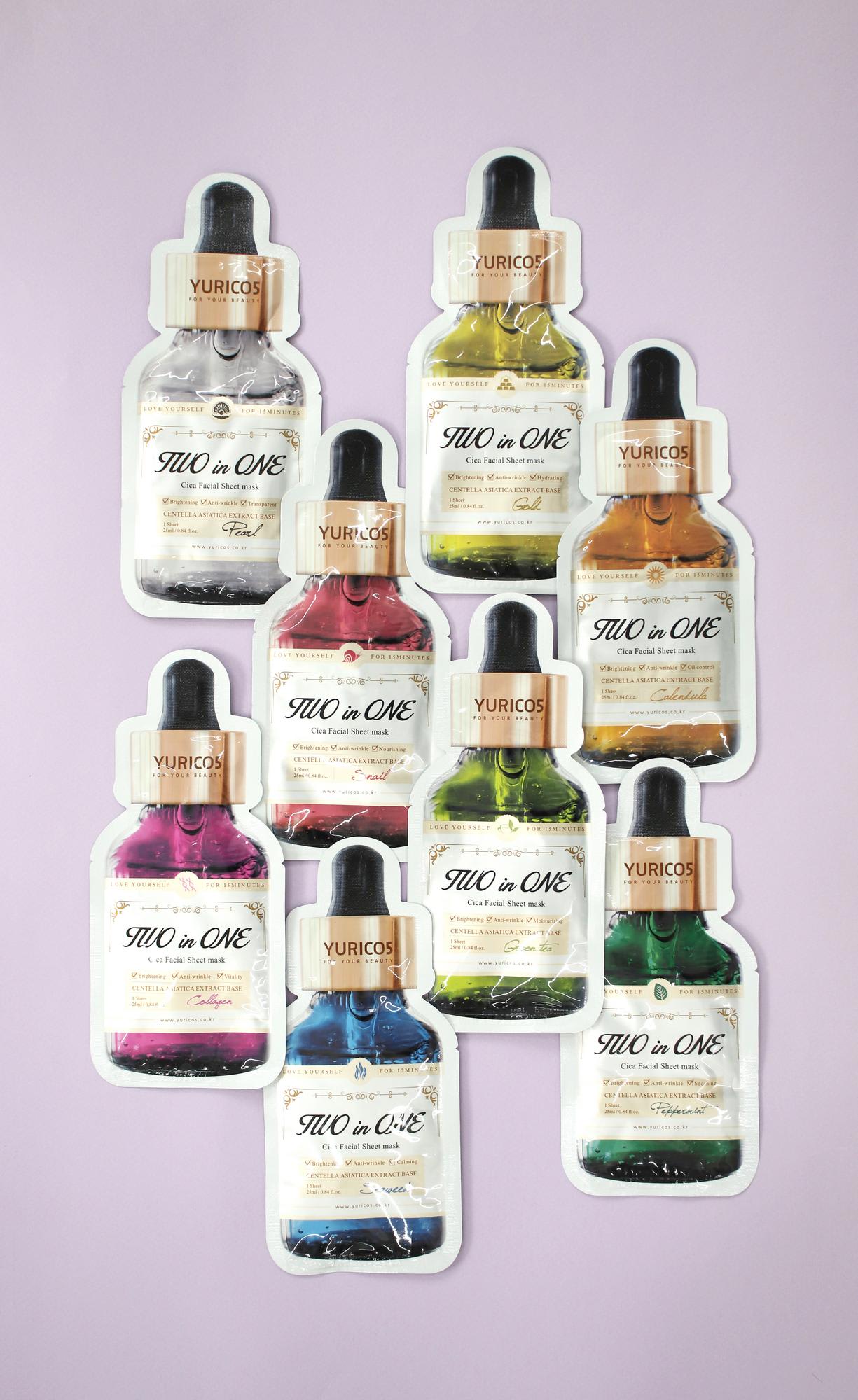
Many people think it is fine to apply nothing after removing a sheet mask. This is because they believe the essence in the mask has already absorbed enough, so that should be sufficient. However, once you understand what actually happens to the skin right after removing the mask, it becomes difficult to skip the next step.
Why moisture escapes the moment you remove the mask
While you are wearing a sheet mask, the skin surface is blocked from outside air. In this occlusive state, the moisture level of the stratum corneum rises quickly, and the penetration of water-soluble active ingredients into the skin becomes more active.
The problem begins the moment the mask is removed. As the barrier disappears, moisture on the skin surface starts to evaporate rapidly into the air. According to findings in skin research, transepidermal water loss decreases by more than half in less than one minute after removing a sheet mask. In simple terms, the moisture supplied by the mask escapes at that fast rate.
At this point, applying an occlusive ingredient such as cream over the skin physically blocks the path of moisture evaporation. These ingredients are hydrophobic substances that repel water, and they work by forming a thin barrier on the skin surface to help keep moisture from escaping. If the purpose of using a mask is to replenish moisture and active ingredients, one layer of cream right afterward serves as the finishing step that keeps those benefits intact. A mask and a cream are not separate routines, but one connected flow.
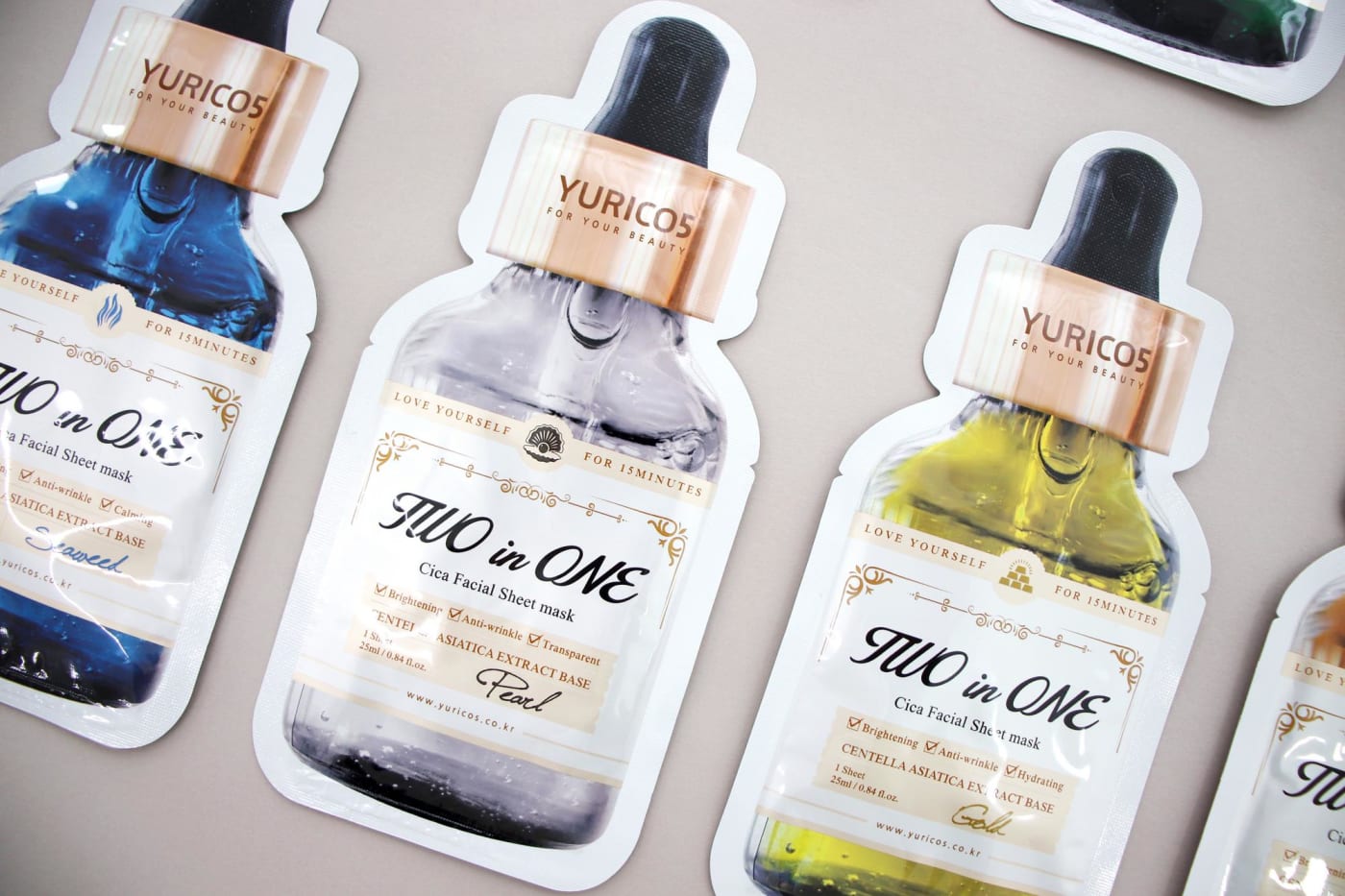
Why choose madecassoside right after a mask
Choosing which ingredient to apply right after a mask is also important. There is a reason madecassoside is often chosen at this step. Madecassoside is an ingredient derived from Centella asiatica extract, and it works for both skin barrier recovery and soothing.
It has been confirmed that at a concentration of 0.2%, it helps reduce redness and peeling in mild atopic dermatitis and relieve itching in skin prone to psoriasis, with a recommended usage range between 0.3% and 3%. The actual concentrations contained in cica cream products on the market vary from 0.1% to 0.315%.
After a mask, the stratum corneum is fully swollen, and the surface barrier is temporarily loosened. Applying madecassoside at this moment allows soothing and barrier recovery to take place at the same time, while ingredient absorption also becomes easier in this open skin state. If you want to calm irritated skin while locking in moisture, the ingredient you choose after a mask is the key.
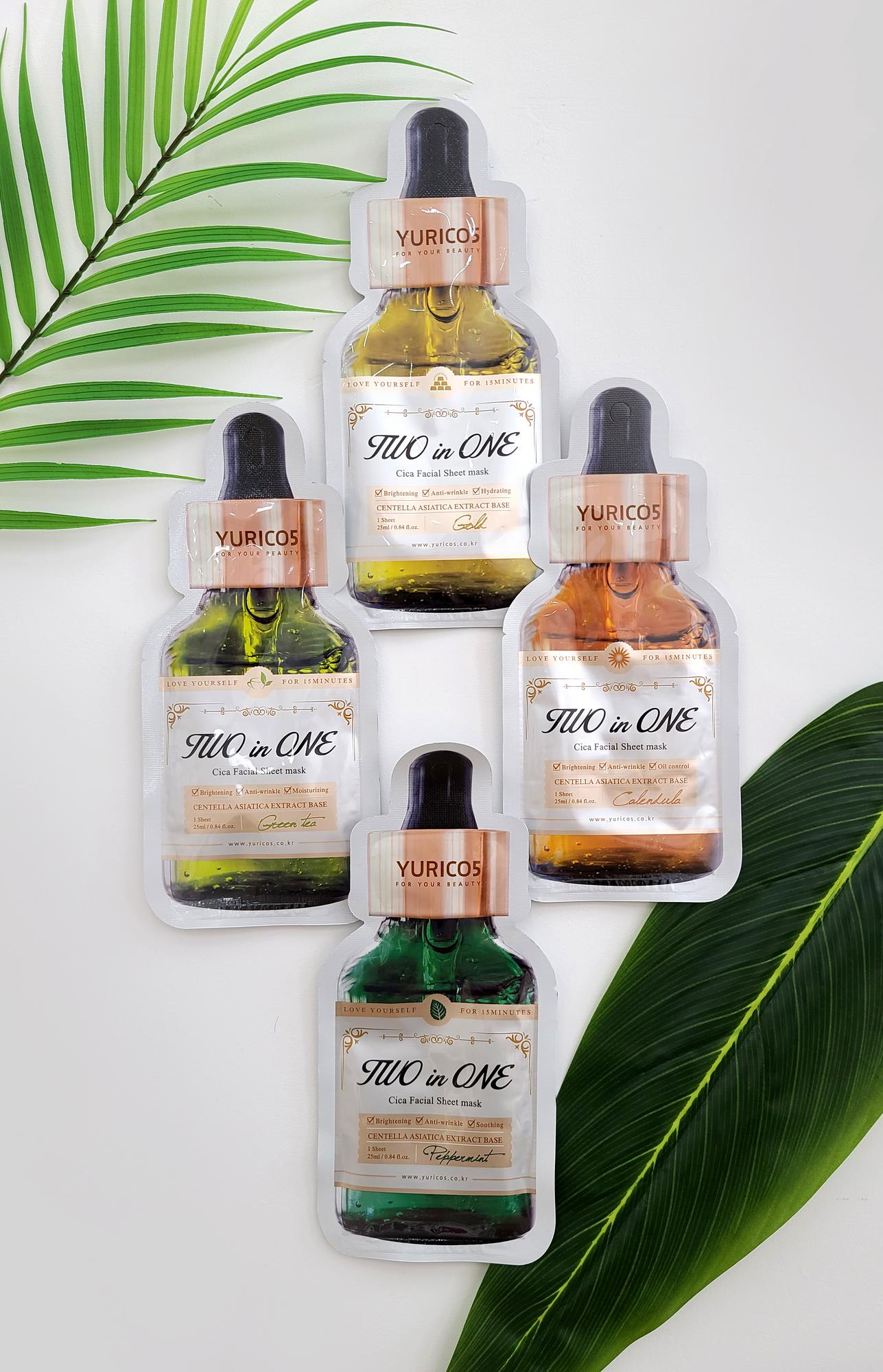
How to complete the routine with the YURICO5 cica line
Once you know that the skin is most ready to receive ingredients right after removing a mask, you gain a clear standard for choosing the next step. On days you use the two-in-one cica mask, the mask has already delivered Centella asiatica extract, the patented anti-aging supporting ingredient Hupura-THA, and functional ingredients for brightening and wrinkle improvement.
When you follow with YURICO5 Daily Madecassoside Cream or Serum, the same cica-based ingredients continue in sequence, allowing the skin to accept them without confusion. The cream contains a 56% CICA base, while the serum contains 60%, giving both a high density of soothing ingredients. Opening the skin with the mask and finishing with the cream is the order that enhances the completeness of the routine.
On days when your skin feels sensitive or redness appears, applying a thin layer of serum first and then layering cream on top can provide a more stable soothing effect. This is why continuing cica ingredients in the post-mask routine has become one coherent flow.

Considering the time and care that go into using one mask, the next step does not feel like an extra effort. What holds the moisture and active ingredients supplied by the sheet mask inside the skin is not the mask itself, but the cream you apply afterward. The first minute after removing a mask can change the result of your entire routine, and now you do not have to overlook it.
