In the global skincare market, the share of functional cream products is growing rapidly every year. According to analyses by market research firms, serums and creams containing niacinamide account for 62% of sales in the related product market, showing that consumer awareness of ingredients has already reached a fairly advanced level. Even so, there is still a lack of clear information explaining which cream to choose. Many people know the names of ingredients, but do not fully understand how those ingredients actually work on their skin.
Why a Cream Texture Determines the Effect of Ingredients
If you think of cream simply as a product that supplies moisture, your selection criteria can easily stop at texture or fragrance. However, a cream also serves as a carrier that delivers functional ingredients into the skin.
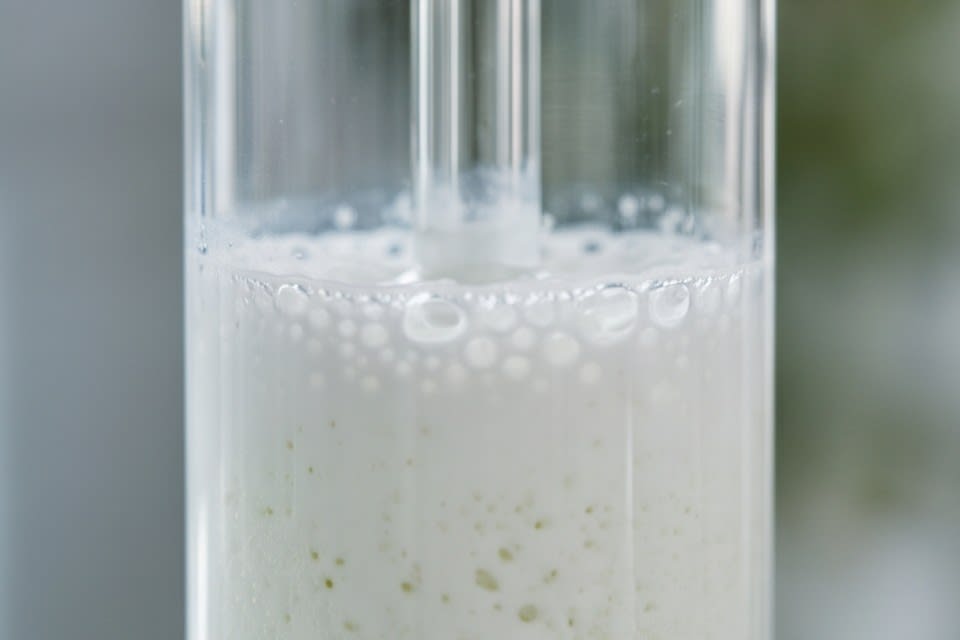
The basic structure of a cream is an emulsion that blends water and oil, and the speed and depth at which ingredients pass through the stratum corneum vary depending on how precisely this structure is designed. The method of forming a film on the skin surface and the method of guiding ingredients to penetrate deeper into the skin are already determined at the formulation design stage. Ingredients that are not absorbed simply remain on the skin and disappear, without creating any meaningful change.
Unlike essences or serums, creams tend to have relatively larger molecular structures and a richer texture, so the technical completeness of the formula itself must support the delivery efficiency of the ingredients. Especially for skin with weakened barrier function or severe dryness, a cream needs to perform both an occlusive role that locks in moisture and a delivery role that supports ingredient absorption.
There is a noticeable difference in skin changes after use between products designed with these two functions in balance and those that are not. The reason formulation design matters when choosing a jar of cream is that how an ingredient actually reaches the skin is more decisive than the name on the ingredient list. Across the skincare market, it is becoming increasingly clear that even if a product contains good raw materials, its effect can only be limited if the delivery structure is not properly supported.
For Brightening Creams, Check the Concentration Before the Ingredient Name
When choosing a brightening cream, the first thing to look at before the ingredient name is the concentration. Niacinamide is well known for a wide range of benefits, including brightening, pore care, and sebum control, but most products on the market are formulated at concentrations of 5% or less. According to Healthline, 5% niacinamide has been reported to be effective in improving fine wrinkles, and consumers tend to seek products with concentrations of 5–10% for optimal efficacy. Even with the same ingredient, the intensity of the skin response can vary depending on concentration, so it is important to make a habit of checking the stated amount on the product.
Tranexamic acid works through a different pathway from niacinamide and can create synergy when used together, intervening more directly in the suppression of melanin production. Glutathione helps refine the skin tone evenly through antioxidant action, complementing the overall effect when formulated with brightening ingredients.
YURICO5 Le Biel Intense Crystal Lightning Cream contains 10% niacinamide and combines it with 3% tranexamic acid and glutathione. This formula is designed so that the role of each ingredient does not overlap, but instead works through different pathways. As important as which ingredients are included, how much of each ingredient is used and in what combination is the key to choosing a brightening cream.
A True Cream Should Be Usable Every Day
When choosing a cream, whether you can actually use it every day is just as important as the ingredients and their concentrations. No matter how good the ingredients are, if the feel is too heavy or the product irritates the skin, it becomes difficult to use consistently, and you may stop reaching for it before noticing the results.
Especially when the skin is sensitive or during seasonal changes, creams that include soothing ingredients often feel more suitable. Centella asiatica extract is an ingredient that helps reduce skin irritation and support recovery, and it is frequently used for skin that needs calming care. In cream formulations, the higher the CICA ingredient content, the stronger the tendency to support skin barrier recovery, which is a particularly meaningful criterion for sensitive skin or skin prone to breakouts.
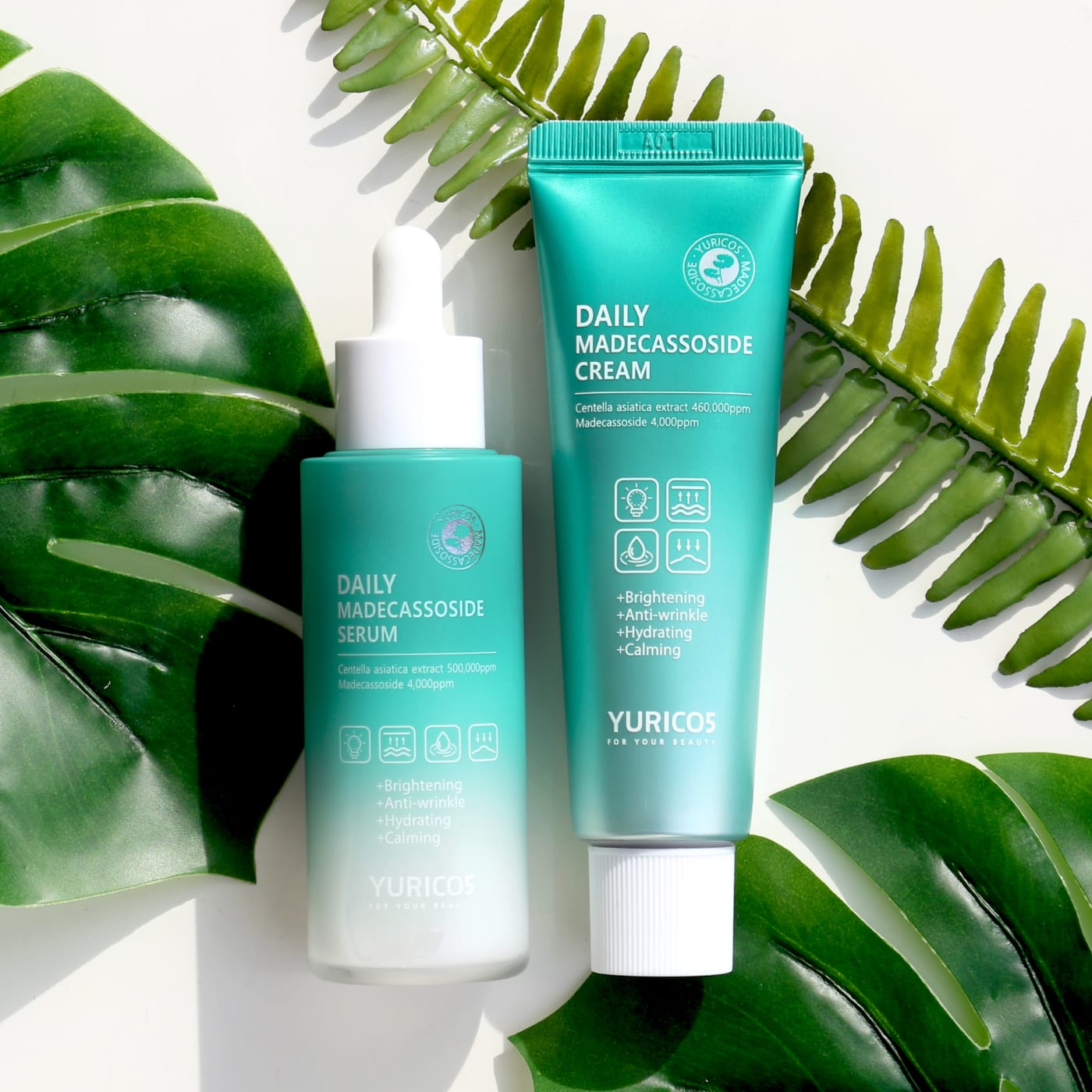
YURICO5 Daily Madecassoside Cream is designed with a CICA base at around 56%, making it suitable for a home care routine that supports both soothing and moisturizing. When you actually use it, you can notice these benefits.
- A feeling that the skin does not feel tight after application and the texture looks refined
- Long-lasting moisture that remains even the next morning
- A comfortable feel that can be used without burden when the skin is sensitive thanks to its soothing effect
It is recommended to consider your skin type, the season, and the timing of use, morning or evening, to find a product that suits both your desired ingredient composition and preferred feel.

The reason choosing a single cream can feel more complicated than expected is often not because there are too many options, but because there are no clear criteria. If you examine step by step how the texture delivers ingredients, how concentration connects to actual effects, and whether your skin can accept the feel every day, the range of choices becomes much narrower. YURICO5 has continued to reflect these standards within its product design. A good cream is not one that impresses you with a single application, but one you can apply every day and that ultimately changes your skin.
