
C-beauty, Accelerating Growth to Challenge K-beauty’s Global Position
Chinese cosmetic brands are rapidly growing, creating a new tension in both domestic and international markets once dominated by K-beauty. As C-beauty’s domestic growth is followed by a clear rise in exports, a fierce competition for market leadership is expected to unfold.
From Local to Global, C-beauty’s Rapid Expansion
Chinese cosmetic companies have embarked on a ‘global expansion based on domestic market’. According to Chinese customs data introduced by the South China Morning Post (SCMP), China’s cosmetic export amount for January to November last year was 3.99 billion dollars, marking an 8.7% increase from the previous year. The average export growth rate from 2020 to 2024 is as high as 18%, significantly surpassing K-beauty’s average growth rate of 6% over the same period.
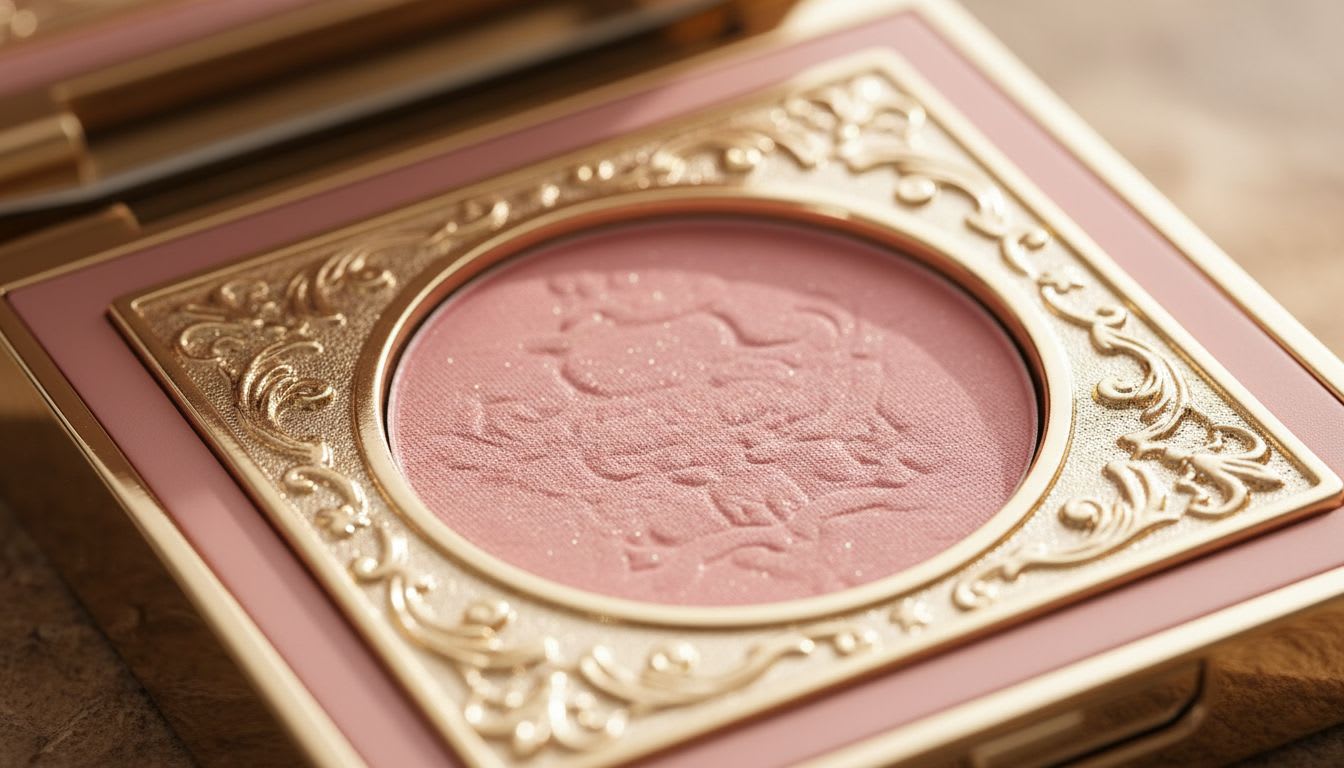
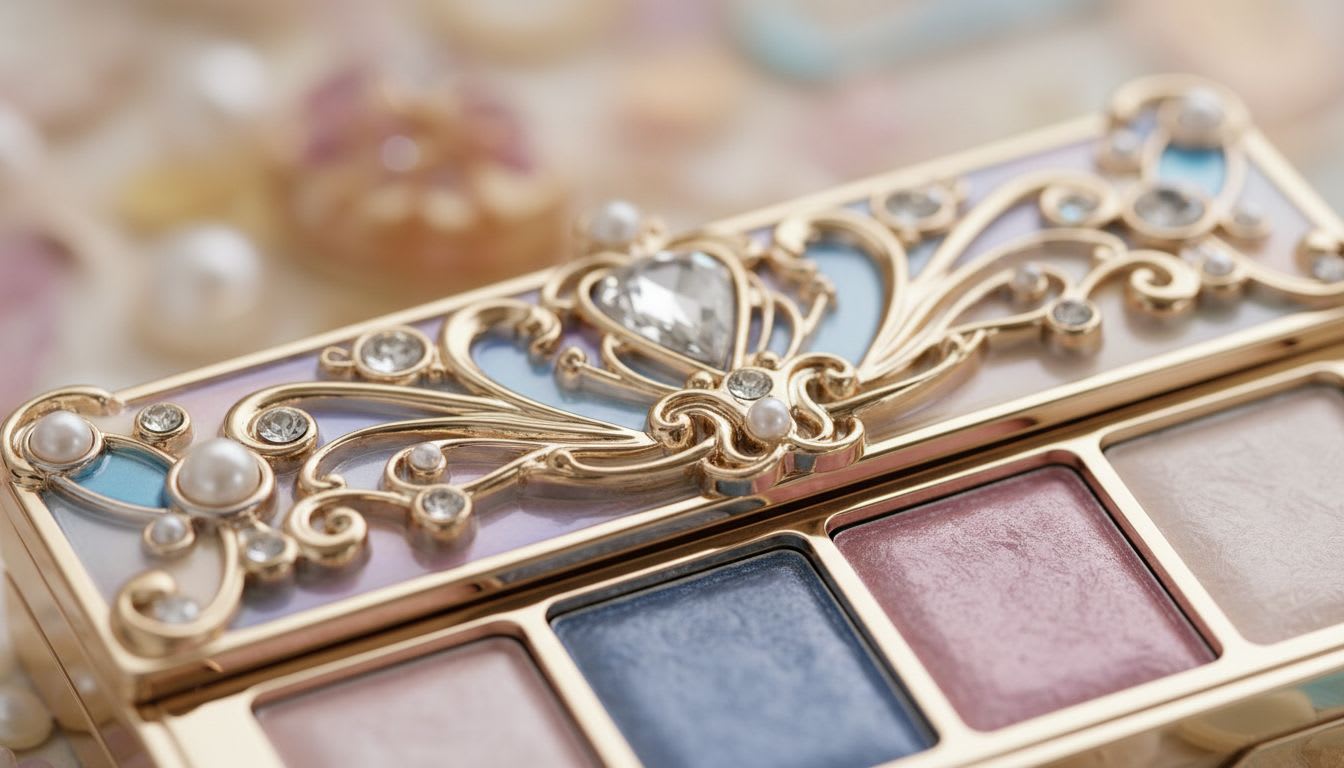
What stands out particularly is that Chinese brands are not only content with their domestic market, as they are quickly moving into global markets. The Chinese brand Flower Knows, noted for its ‘princess style’ packaging, opened a pop-up store in Seoul and launched an online shopping mall last October, setting foot in Korea, known as the home of K-beauty.
“While Korean cosmetics are still popular in China, there’s no longer a significant difference in texture or pigmentation.”
- Remark by Chinese consumer, Xie Rou Mei (as mentioned in SCMP interview)
This change in consumer perception also suggests that Chinese brands are responding more swiftly to consumer needs. As these brands show advantages in design and pricing for younger generations, their global market expansion is likely to accelerate.
Inexpensive Color Products… Premium Strategy Still a Challenge
However, there are obvious limitations to the current C-beauty. It is mainly focused on lower-loyalty color cosmetics and is still not significantly successful in high-end skincare or premium lines.
Catherine Lim, a senior analyst at Bloomberg Intelligence, commented:
“C-beauty brands are challenging in the color sector but are struggling to secure customers in more luxurious skincare or premium categories.”
This is where the gap with K-beauty appears. K-beauty has accumulated technical know-how in skincare over a long period, and because of the high trust in the brands, the repurchase rate remains high even if prices are slightly higher. Meanwhile, C-beauty, for now, still needs to improve its image and quality standards.
For Chinese brands to become true global players, it is now essential to raise the quality and brand image in various product categories beyond color.
The Power of Cultural Assets in K-beauty
While C-beauty is on a growth trajectory, K-beauty continues to demonstrate strong resilience based on its accumulated cultural influence and brand identity. The image of K-beauty has grown in line with the global ‘Hallyu’ wave, including ‘K-pop’ and ‘K-drama’.
These cultural mediums have gone beyond simple marketing tools, creating trust and emotional bonds with brands, greatly aiding in expanding influence in new consumer markets like the Middle East and South America. Economist Shitian Qian of the Economist Intelligence Unit aligns with this analysis.
“For C-beauty to genuinely compete with K-beauty, it needs to find cultural mediums that can enhance its brand recognition, like K-pop.”
To date, while C-beauty primarily attacks the global market with competitiveness in quality and price, it still lacks in brand identity and appeal. Without securing brand identity and cultural appeal in the long term, it risks becoming just a temporary trend.
Reducing Imports and Nurturing Domestic Brands: Changes in China’s Consumption Structure
C-beauty’s growth is clearly evident not only in exports but also in reverse, in the domestic Chinese market’s trends. As of 2024, China’s cosmetic imports stood at 11.63 billion dollars, a 3.4% decrease from the previous year. This indicates a reduction in dependence on foreign brands and an increase in domestic brands’ market share.
The Chinese government has continuously encouraged ‘promotion of domestic brand consumption’, and consumers familiar with this ‘Chinese consumption trend’ have aligned accordingly. Representative Chinese brands like Flower Knows, Perfect Diary, and Suhua are quickly gaining market share through various marketing strategies and strengthened online-based distribution networks.
This trend reflects not just a domestic market shift, but also lays the foundation for these brands to secure a certain ‘brand volume’, presenting positive signals for international market expansion.
Cultural + Quality + Brand Strategy Triad Needed
Summing up the current trends, the competition between K-beauty and C-beauty is widening beyond just a battle for market share—it is turning into a competition for ‘brand identity’, ‘cultural influence’, and ‘global strategic execution power’.
K-beauty is thoroughly prepared with long-accumulated quality trust, global distribution networks, and cultural marketing, while C-beauty is solidifying its position as a challenger with a strong base in the domestic market.
However, for this challenger to become a true competitor, three conditions must be met:
- Secure competitiveness in high-end product groups from a quality standpoint
- Expand global campaigns that embody brand stories and identity
- Establish overseas marketing strategies linked with cultural consumption content
Only by properly orchestrating these three elements can C-beauty transcend local consumer levels to experience ‘brand power’ and ascend to the ranks of global beauty leaders.
K-beauty’s Future Not Entirely Secure
Conversely, K-beauty is not in a position to rest easy. Given the rapidly catching-up pace of C-beauty, instead of resting on the ‘Hallyu premium’, there’s a need to develop new products, innovate in quality, and strengthen emotional connections with consumers.
Particularly, for brands to survive in global markets where trends change quickly, as much care must be given to unique cultural assets as to consumer interaction. It’s time to persistently reshape strategies to maintain brand leadership responsive to consumer desires.
In Conclusion
On the foundation of prominent domestic growth, C-beauty is achieving notable results overseas. However, if it cannot overcome challenges in enhancing cultural appeal and premium segments, it may not easily gain a true competitive edge over K-beauty. Likewise, K-beauty must continuously sensitively respond to evolving global consumer trends to maintain and enhance its competitiveness.
is dedicated to providing practical and reliable cosmetic solutions for the sustained development of the Korean cosmetics industry. As K-beauty strengthens its cultural influence on the global stage, also actively supports market competitiveness with innovative products and strategic partnerships.
