When dermatologists first began using specific compounds to treat pigmentation years ago, people started to realize that skin brightness was not simply a beauty concern, but a field of skin science. As those studies accumulated over time, they led to the ingredient design behind today’s whitening creams. Now, depending on which ingredients are included and at what concentration, even whitening creams that look similar can work very differently on the skin.
How Whitening Ingredients Work on the Skin
The main reason skin looks dull is that melanin pigment accumulates excessively on the skin surface. Whitening ingredients work by inhibiting the activity of an enzyme called tyrosinase in the pigment production process, or by blocking the pathway through which already formed pigment moves to the skin surface.
Key ingredients each play a role through different pathways.
- Niacinamide is especially effective at blocking the pigment transfer pathway.
- Tranexamic acid helps reduce the pigment production signal itself.
- Glutathione helps inhibit excessive pigment production caused by oxidative stress through its antioxidant activity.
When these ingredients work together, a much broader whitening effect can be expected than with a single ingredient alone. This is why a multi-pathway design that addresses several routes at once is more likely to lead to visible skin changes than a product that tries to solve every pigmentation concern with only one ingredient. Understanding which ingredients are included and how they work in the skin is the key to choosing a whitening cream.
Standards to Check When Choosing a Whitening Cream
When choosing a whitening cream, many people look first at brand image or price range, but what creates real changes in the skin is ingredient concentration and formulation method. The Ministry of Food and Drug Safety requires niacinamide to be included within the range of 2–5% for a product to be recognized as a whitening functional cosmetic.
A product that meets this standard can be expected to provide basic efficacy, but the functional cosmetic notification standard is only the minimum requirement and is different from the optimal concentration. In actual clinical studies, consistent use of 5% niacinamide for 8–12 weeks showed clear effects in improving hyperpigmented spots and uneven skin tone. A higher concentration is not always better, but understanding what concentration has real clinical support changes the way you read a product label.
The same applies to excluded ingredients. Checking whether ingredients that may irritate the skin, such as parabens, alcohol, artificial colorants, amines, and mineral oil, are excluded is an especially important standard for those with sensitive skin. If you want to expect a whitening effect while reducing skin irritation, you need to look closely not only at what is included, but also at what has been left out. This is where the importance of that point becomes clear.
YURICO5 Ingredient Design and Distribution Expansion
YURICO5 developed Le Biel Intense Crystal Lightening Cream by reflecting these standards from the ingredient design stage. It contains 33% of its self-developed BTS③ Complex, along with 10% niacinamide, 3% tranexamic acid, and glutathione, creating a formula designed to inhibit pigment production, block pigment transfer, and provide antioxidant action at the same time. It has also obtained dual functional certification for whitening and wrinkle improvement from the Ministry of Food and Drug Safety, establishing a reliable foundation for its efficacy.
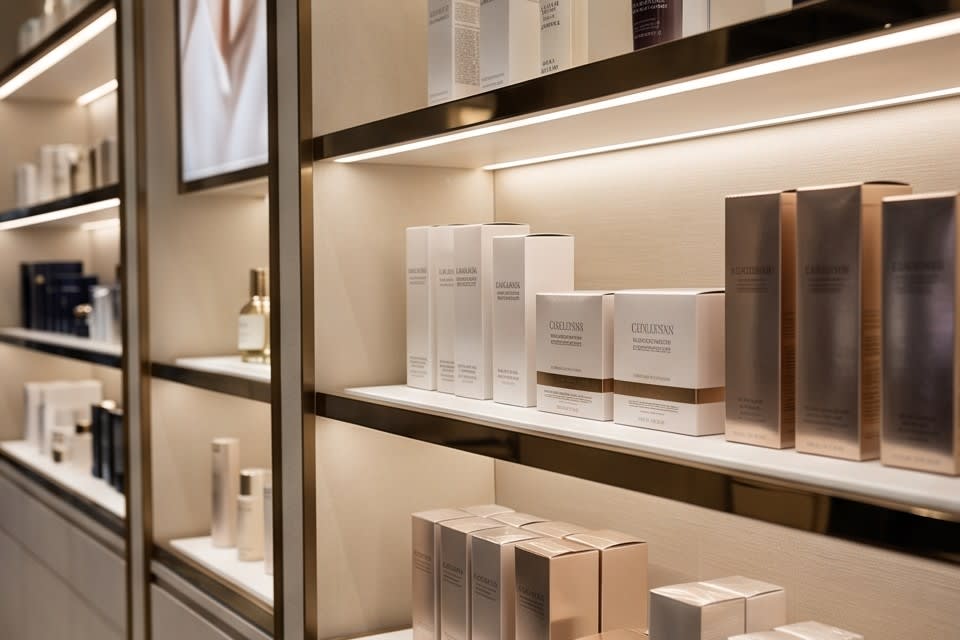
Recently, the product has entered Wani Korea AboutCell and Lotte Department Store Cheongnyangni, expanding its offline distribution network and increasing opportunities for customers to try the product directly and experience how it feels on the skin. As distribution expands through various channels such as Diplomat Duty Free and WA-Mall, whitening functional products are becoming easier to encounter in everyday life.

In the end, the difference a whitening cream makes on the skin depends on which ingredients are combined, at what concentration, and in what way. Once you build the habit of checking the ingredient label before the brand name or packaging, you can get much closer to making a choice that helps brighten a dull complexion.
