
Youngest Customers Appearing from Age 5…A Wave of Changes in the Children’s Cosmetics Market
With the rise of cosmetics targeting children, the entire beauty industry is now focusing on younger consumers. Let’s explore how this trend, which has expanded from play items to skincare products, is transforming the market.
Is It Toy or Beauty Product? The Blurring Boundary of Kids’ Beauty
Recently, Lee Ji-hyun stumbled upon an unexpected product while browsing online shopping. Looking for a birthday gift for her five-year-old niece, she found a kids’ cosmetic set featuring perfume, lipstick, nail polish, sun cushion, and even mask pack and serum. These products, with their cute packaging and claims of being made from ‘harmless ingredients,’ were being marketed for young children who enjoy playing ‘princess.’
“I thought the kit was a bit much, but the child liked that she could apply it herself while playing princess.” – Lee Ji-hyun
Kids’ cosmetics have thus expanded from mere play items to include actual skincare functions. What were once playful items children sneaked off their mother’s dressing table have now evolved into real products targeting kids as primary customers.
Rapidly Changing Market Landscape: Confluence of Low Birth Rate and Premium Parenting
Experts estimate the market size at one trillion won. Although birth rates have declined, ‘concentrated spending’ on a single child has increased. Parenting is now less about basic care and more about ‘premium parenting.’
Distributors like Kurly are seeing spikes in demand for childcare cosmetics, leading to shortages. Some consumers purchase large quantities of children’s cosmetics for shared household use, thinking it’s suitable for all family members with sensitive skin.
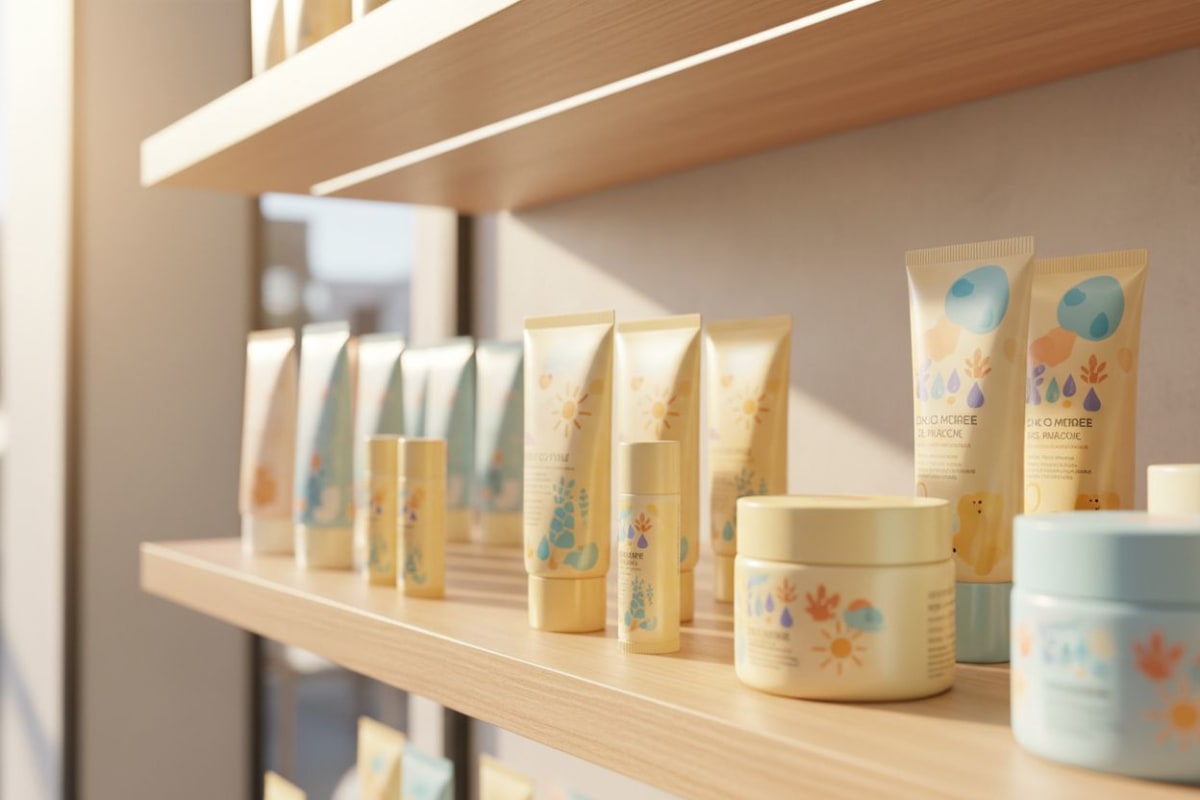
Meanwhile, brands like Bioderma, Atopharm, and Illiyoon are enhancing their kids’ lines or developing family-oriented lines to lead these market trends.
‘Sephora Kids’ and the Rise of Global Trends
The global market is also showing significant movement. According to NielsenIQ, the skincare market for 7 to 12-year-olds in the U.S. is projected to reach $2.5 billion, about 3 trillion 820 billion won, by 2024. The term ‘children following beauty influencers’ is emerging, indicating that entering the beauty consumer market is happening earlier for children.
In the U.S., ‘Sephora’ even has ‘8-year-old customers.’ This phenomenon has led to the term ‘Sephora Kids.’ Brands are following suit by intensifying marketing targeted at kids.
“Start Young.”
- Ad slogan for kids’ beauty brand ‘Pippa’
The kids’ skincare brand ‘Lini,’ launched by Canadian actress Shay Mitchell, advertises using children aged 4 to 5 in commercials featuring animal-shaped mask packs.
The Convergence of Play and Skincare…Analyzing Kids’ Cosmetics Trends
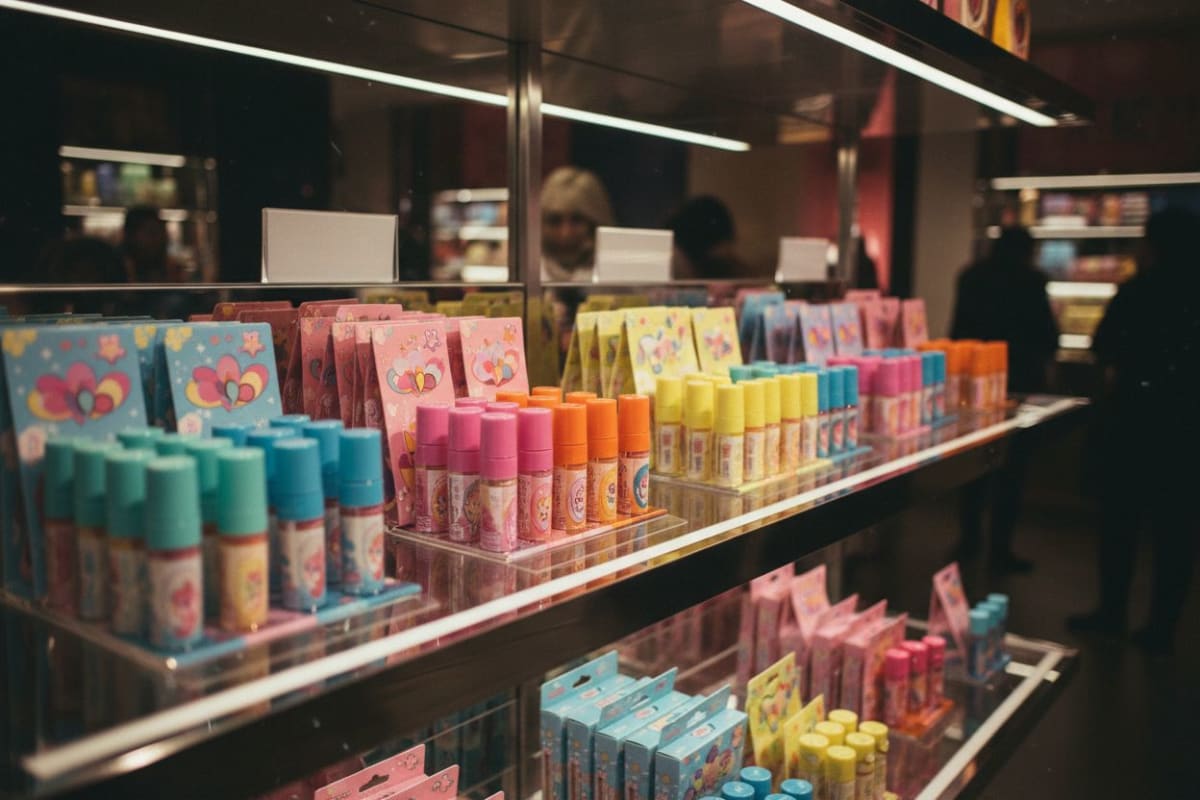
Domestic kids’ beauty products are evolving from simple toys to incorporate beauty product aesthetics. Innovations include sun cushions applied with a puff, peel-off nail polishes that detach like stickers, and tinted lip balms designed for kids’ sensibilities.
This trend isn’t limited to new brands. Existing adult cosmetic brands are launching dedicated kids’ lines. Several color makeup brands are diversifying into children’s beauty care products, embracing this trend.
Is Skincare Truly Necessary at This Age?
However, concerns also exist. Children possess exceptional skin regeneration abilities, and without specific conditions, skincare beyond sunscreen may be unnecessary.
A cosmetic brand representative noted that kids’ products aren’t significantly different from adult products, sharing similar formulations but with reduced oiliness. Ultimately, products are chosen by parents, making current trends heavily marketing-driven.
The Controversy Over ‘Small Adult’ Marketing
What impact does beauty marketing for preschool children have on them? Is there a risk of confusing play with care?
“Losing their child-like aspects and becoming overly concerned with appearance can distort development stages.”
- Professor Lee Young-ae, Sookmyung Women’s University School of Psychological Therapy
Professor Lee raises issues with the trend of depicting children as ‘small adults,’ warning that premature focus on appearance can confuse children’s self-esteem. Upon reflection, current marketing emphasizes lifestyle more than products. It’s crucial to consider whether children are being led to regard appearance as part of their identity under the guise of ‘self-care.’
In Closing
Children’s cosmetics have become a genuine consumer market beyond mere toys. However, if entertainment-driven consumption conflicts with developmental needs, the impact could be deeper and longer-lasting than expected. A balanced perspective on safety and appropriateness is needed at this point.
As the cosmetics market increasingly targets younger consumers, ensures safety and practicality in children’s cosmetics, offering reliable products. Recognizing the timing for skincare importance, start safe skincare with .
