Government Aims to Leap into Second Place in Cosmetics Exports with Ambitious K-Beauty International Expansion Strategy
The Ministry of SMEs and Startups, alongside the Ministry of Health and Welfare, have announced a comprehensive plan to enhance K-Beauty export performance. This includes fostering creators, supporting small businesses for exports, addressing current technological innovations, and expanding global infrastructure.
Expansion of Global Access for Beauty Creators and Small Businesses with Systematic Step-by-Step Support
The government plans to nurture 300 beauty brand creators, including young entrepreneurs, by 2030 and discover 500 small but strong businesses with self-export capabilities by 2026. These companies will grow into globally competitive enterprises through a growth model linked to existing startups, receiving tailored support at each stage.
In particular, rather than just logistics cost subsidies, the growth ladder encompasses product planning, branding, and localization strategy by linking existing SME export support such as export vouchers and consortia. Additionally, the ‘Offline First Export One-Click Package’ will be newly operated to help companies that have proven marketability online to expand to offline exports. The core is providing step-by-step consulting, marketing, and local sales expansion strategies.
“Building a structural export ladder to turn young creators and small businesses into global brands.”
Integrating K-Culture with Global Marketing and Gradually Targeting Poorly Performing Export Items
Under the recognition that raising awareness should precede expansion, the government is focusing on marketing linked to K-content. They aim to increase exposure of K-beauty brands by leveraging national holidays and major events in local countries and plan to simultaneously pursue branding planning that allows collaboration with K-pop and dramas.
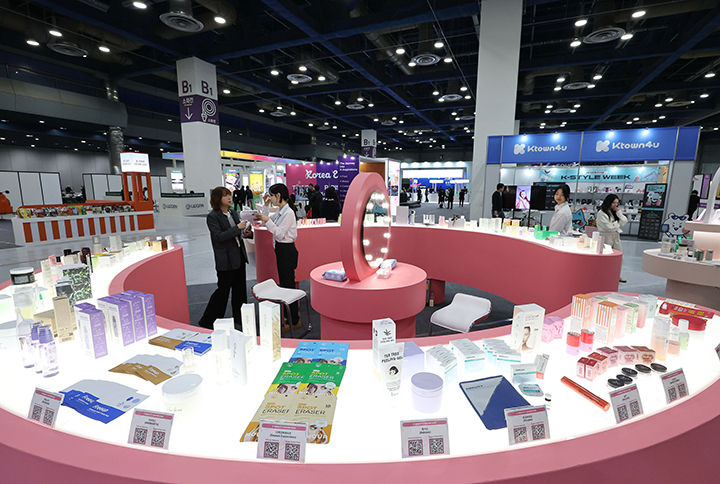
Promotion through influencers and overseas agencies using SNS and broadcasting will be strengthened, and the K-Beauty cluster pilot project focusing on exhibition and experience will be expanded to about 8 regions by 2030. Especially for items that have performed poorly in exports like perfumes and air fresheners, separate commercialization support will be applied to expand their range.
Additionally, the fusion of the beauty industry and AI technology is rapidly progressing. Five collaborative projects with AI will be launched on a trial basis next year, and the number of related tasks is expected to expand gradually. This technological integration will be a crucial turning point not only in product individualization and production efficiency improvement but also in responding to rapidly changing consumer trends.
“To survive in the future, the expansion of export markets and technological fusion must be designed simultaneously.”
Expanding Global K-Beauty Hubs from Overseas Missions to Pop-up Booths
While previous exports often required participating companies to handle localization independently, from now on, more systematic overseas expansion will be possible based on a government-led network. The government plans to designate four ‘K-Beauty Promotion Hubs at Overseas Missions’ and actively utilize these missions to provide market information, obtain certifications, and conduct local promotions.
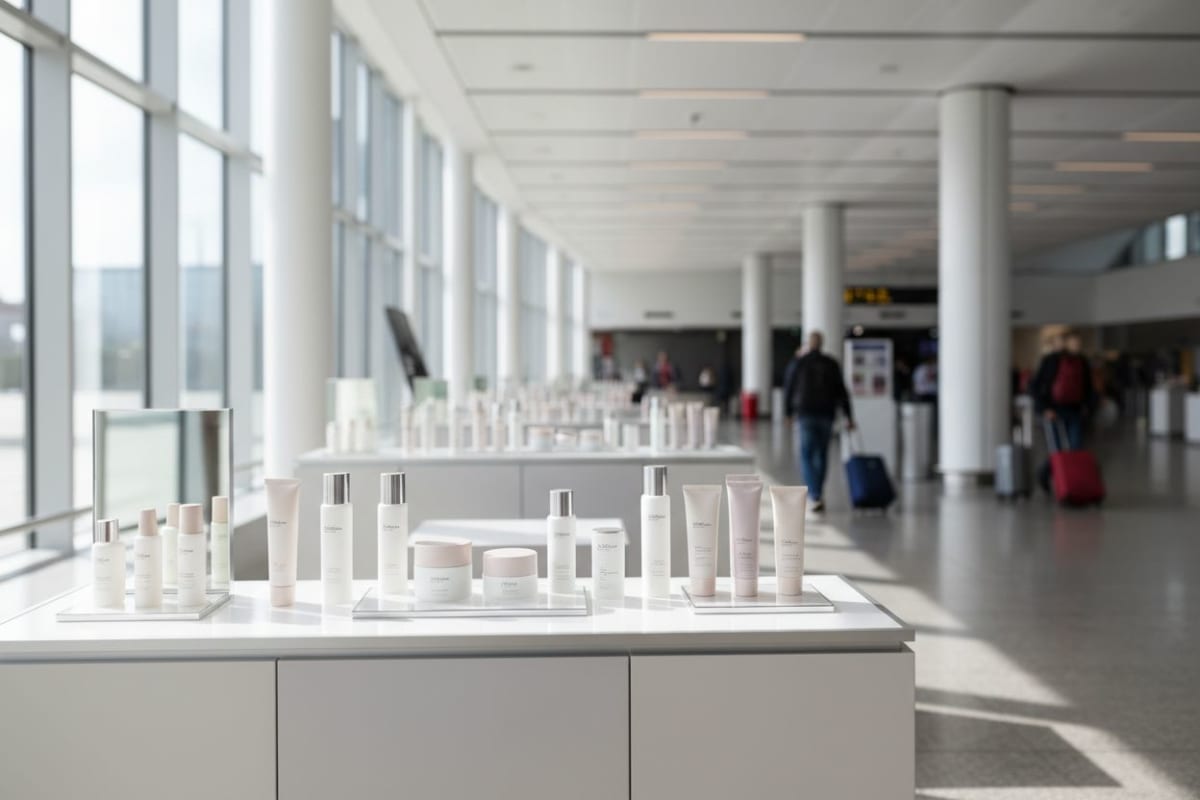
Additionally, new large cosmetic retailers will be established in the USA and the EU, and the existing flagship store network will be expanded to 8 locations. Flexible pop-up booth facilities will also be installed in emerging markets, targeting about 10 locations by 2026.
Furthermore, joint public-private marketing efforts focused on beauty, fashion, food, and life sectors will be promoted, and 500 promising export products will be selected for joint promotion systems by 2030. Strategies for enhancing product authenticity and handling disputes will also be prepared to link various brand values of K-Beauty with national policies.
“The closer you get to the market, the higher the trust and elasticity in the global market.”
Ensuring the Sustainability of the K-Beauty Ecosystem through Technology Innovation and Talent Training
In the highly competitive global cosmetics market, where it is difficult to survive without technological capabilities, the government has set AI manufacturing advancements and eco-friendly infrastructure expansion as the core of its strategy. A specialized center for testing and certifying natural ingredient cosmetics will be established in Namwon, Jeonbuk, and a clean beauty technology infrastructure for the full cycle (raw material-production-packaging) will be established in Osong, Chungbuk.
AI customized product development will be prepared using skin and genomic data from consumers in 19 countries, and 12 AI-based teamwork technologies will be incorporated into the cosmetics manufacturing process by 2026. A manufacturing AI center to verify and complement these technologies will also be operated.
Another key aspect is regulatory response. To comply with the US OTC (Over-the-Counter) standards, FDA registration support will be provided for sunscreen manufacturing facilities, and data on the safety of major ingredients will be standardized and distributed. 500 experts will be trained annually to lead these efforts, and an international ‘K-Beauty School’ system will be operated to secure the base of professionals, including foreigners.
“K-Beauty has entered an era where it must compete not only with brand power but also with technological strength.”
Industrial Ecosystem Restructuring Based on Law and Institutional Foundations
Legal foundations to support industrial competitiveness are also being organized. The Ministry of Health and Welfare plans to legislate an ‘Act on the Promotion and Fostering of the Cosmetics Industry’ to institutionalize the certification system and fostering committee for innovative cosmetics companies. The Ministry of SMEs and Startups is set to reorganize the inter-ministerial export support system sustainably through the ‘Support Act for Small and Medium Enterprises’ Overseas Expansion.’
This new export growth strategy, where law, system, and technology organically interconnect, demonstrates the government’s direction to build a sustainable beauty industry nurturing ecosystem rather than one-time promotions.
“Brand cultivation, technological fusion, and institutional reorganization. These three keys will elevate K-Beauty to ‘Global No. 2’.”
Conclusion
This comprehensive K-Beauty export strategy is noteworthy because it focuses on structural ecosystem innovation beyond simple marketing expansion. By concurrently pursuing legislative adjustments and AI & eco-friendly technology development, a foundation is actively being set for K-Beauty’s foothold on the world stage.
“ is continuously striving for the advancement of the cosmetics industry and the global expansion of K-Beauty. We will do our utmost to soar higher in domestic and international markets with reliable products and services.