K-Beauty Driven Consumer Trends: Strategies in the Pixel Life and Zero-Click Era
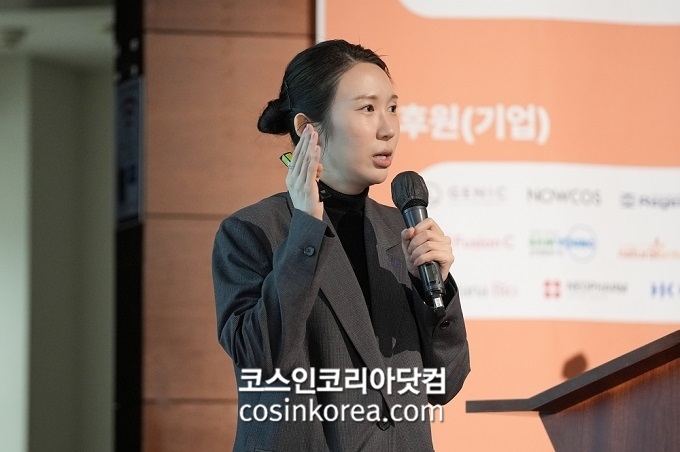
Along with K-pop and K-dramas, K-beauty has become a core pillar of the Korean Wave. However, its success is not merely an extension of cultural content. Strategic power that finely reflects consumer trends and quickly adapts to change is the backdrop. This article explores the present and future of K-beauty through insights by researcher Seo Yu-hyun presented at the ‘2026 Cosmetics Market Issues and Outlook Conference’.
The Architect of K-Beauty Was ‘The Consumer’
When discussing the growth of K-beauty, cultural contents like ‘K-pop’ and ‘K-dramas’ are often mentioned, but Seo Yu-hyun, a researcher at the Consumer Trend Analysis Center, argues that this view is insufficient. He emphasizes, “To explain K-beauty, one must understand the power of reverse planning initiated by consumer trends.”
Particularly, ‘health-conscious consumers’ are acting as the core momentum. The fact that South Korean men rank first worldwide in skincare spending is not just a statistical figure but a good example explaining the sophisticated consumer base of K-beauty. Korean consumers systematize personal skincare routines from daily habits to weekly and seasonal methods and even manage skin under the concept of #morning shield during sleep.
Targeting these consumers, cosmetics companies are innovating their product approaches by proposing ‘ingredient-focused consultations’ or ‘personalized skincare.’ Ultimately, it’s clear that what drives market change is the ‘health-focused mindset of consumers’.
Speed of K-Beauty Driven by ‘Pixel Level Consumption’
One of the concepts Seo Yu-hyun repeatedly mentioned is ‘Pixel Life’. Like digital pixels, it refers to the tendency to quickly consume small, diverse benefits in a short period.
He analyzes this as the “routine-infiltrated consumption created by ingredient enthusiasts or custom enthusiasts,” explaining how companies have heightened their responsiveness by catching this flow. For instance, companies are shortening product launch cycles to three-month intervals, rebranding quickly based on MD capabilities, or deploying strategies for re-launches reflecting real-time feedback.
Strategies like AI-based ingredient review, data-driven consumer analysis, and season-tailored product lineup compositions are optimized for this pixel-life consumption. This means not just making things quickly, but precisely matching the rapidly changing expectations of consumers.
Emerging Trends That Move Instead of the User: Zero-Click
Previously, consumers had to search for products themselves. But now it’s different. ‘Zero Click’ is a new trend where systems or platforms propose products and information before the consumer even clicks.
For companies, this trend demands a more proactive proposal structure. For example, by analyzing user behavior, automatically recommending suitable products, or enhancing technology to propose even detailed routines based on purchase history. Seo describes this as needing to “follow the consumer flow that consumes in an instant and moves on without attachment.”
Many companies are already applying AI to renew and plan products according to this trend. In both stores and online platforms, quick commerce (such as same-day delivery), and the short-form-focused new distribution market, the ‘zero-click-based consumption discourse’ is rapidly spreading.
Era of ‘The Fast Win’
In the past, “good products” or “long traditions” distinguished brand success or failure. Now, it’s clearly the ‘era of speed’. Seo Yu-hyun asserts, “The concept that the fast win is already functioning like an established truth in the K-beauty market.”
The activation of pop-up stores, boundless distribution through omnichannel, and the sudden rise of re-commerce signify that companies must catch trends in real-time and quickly materialize them into products. If they miss the timing of content trending on channels like TikTok, no matter how good the product is, its value gets reduced.
Furthermore, the ‘speed re-planning capability’ of products is also crucial. Even a previously failed product can succeed if reconfigured, aligning with new routines through data analysis.
Next Weapons for Global Expansion: AI and Content Prowess
K-beauty has evolved into not only a product brand but as cultural content and lifestyle symbol. The emergence of local brands like Germany’s ‘yepoda’, Finland’s ‘hwarang’, and the UK’s ‘pureseoul’, influenced by K-beauty, shows a trend where foreign markets actively incorporate Korean styles.
Now, it’s an era of exporting the culture of consumption routines rather than the product itself. At the heart of this trend is AI technology. AI not only classifies and recommends ingredients but independently learns consumer skin environments and preference data, opening up possibilities for providing more sophisticated and refined brand experiences.
Seo stresses, “Companies must be equipped with media content responsiveness and AI-based trend sensing to achieve sustainable advantages even in the global market.”
Yuricos is evolving with the changes and innovations in the cosmetics industry. Amidst the dynamic development of K-beauty, Yuricos aims to take responsibility for customers’ beauty with practical and trustworthy products.