Put on a mask pack and apply an ampoule… Korean-style skincare is also booming
K-Beauty becomes part of everyday life worldwide
Recently, British beauty YouTuber James Welsh, who has 1.58 million subscribers, revealed on his channel that 6 of the 7 products he recommended were Korean cosmetics. Moving beyond a simple one-time trend, Korean-style skincare routines using mask packs, serums, ampoules, and more have become deeply embedded in the daily lives of consumers in the West.
Surging exports and a changing K-Beauty map
From January to October this year, cosmetics exports reached $12.569 billion. This figure has already surpassed last year’s full-year performance, marking record-level growth of 33.6% compared with the same period last year.
Dependence on China, which once accounted for a large share of exports, is declining, while growth in the United States and European markets stands out. In particular, the United Kingdom has rapidly risen from 11th among export destinations in 2022 to 5th this year, emerging as a new core market for K-Beauty.
Korean-style skincare has become everyday life
Global consumer intelligence company NielsenIQ analyzed that sheet masks, acne patches, essences, and serums have moved beyond being products for a select few and have become mainstream skincare items. This is the result of Korea’s meticulous care routines, spread through social media, winning the hearts of global consumers.
The rise of small and medium-sized brands and global influence
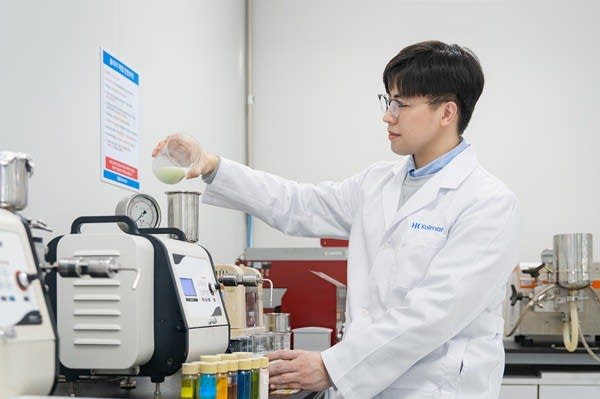
The K-Beauty export market, once centered on large corporations, has now become a stage for small and medium-sized and indie brands. Small and medium-sized companies with fast product planning capabilities are collaborating with domestic original development manufacturing (ODM) companies to bring technologically advanced products to the market.
Global companies such as L’Oréal, Nivea, YSL Beauty, and Maybelline are referring to Korean-style cosmetics formulations and product development methods.
Cases of brands gaining major popularity on overseas platforms such as Amazon prove this growth. Craver Corporation, which operates Skin1004, has entered more than 120 countries and achieved a 98% share of overseas sales, while Equalberry achieved a result in which sales in the United States market surged more than tenfold in just a few months.
K-Beauty draws attention from the United States stock market
Driven by this growth, the ‘Guinness Atkinson K Beauty ETF’, which tracks an index made up of 25 Korean beauty and aesthetic companies, was recently listed on the New York Stock Exchange. It includes not only traditional cosmetics companies but also many beauty device and functional cosmetics companies, proving the future growth potential of K-Beauty.
Closing thoughts
K-Beauty has now positioned itself beyond the Asian market as a leading force shaping global beauty standards. Product innovation that immediately reflects consumer needs and close engagement marketing through social media are coming together to transform vanities around the world.
In line with the rise of K-makeup as a global beauty standard, Yuricos adds value to your everyday life with outstanding products based on precise analysis of consumer needs. Experience healthier and more beautiful skin expression based on trustworthy technological expertise.