If you apply something to your skin every day without knowing how its ingredients work, you may already be quietly wasting time and money. If you keep repurchasing products that do not work, or if breakouts continue without a clear cause, skin aging can progress faster than expected. A routine built on applying ingredients you do not understand is not really a routine, but closer to habitual consumption.
Cosmeceuticals, how are they different from regular cosmetics
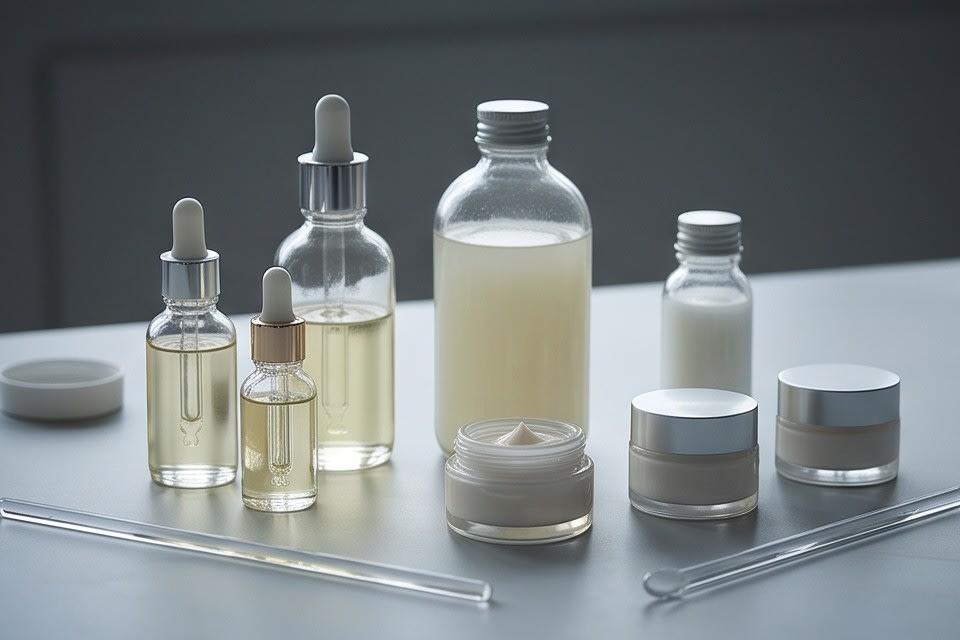
The term cosmeceutical appears often in the cosmetics market, but not many people know exactly what it means. It is a concept that combines cosmetics and pharmaceuticals, referring to a product category that goes beyond simple moisturizing or color expression and contains ingredients that affect the skin function itself. The US FDA does not recognize cosmeceuticals as a separate legal category, and products are classified only as cosmetics or drugs.
The standard is generally the concentration of the ingredient. Even with the same ingredient, functionality can vary depending on how much is included, and the results consumers feel on their skin can also differ. This is why simply checking ingredient names on a cosmetic ingredient list is not enough. More than which ingredients are included, how much of each ingredient is included and in what combination creates the real difference on the skin. If you take skin care seriously, you need the ability to read the context of the formulation rather than only the ingredient names, and this approach is becoming the standard across the cosmeceutical market.
Mask pack ingredients, what should you check first
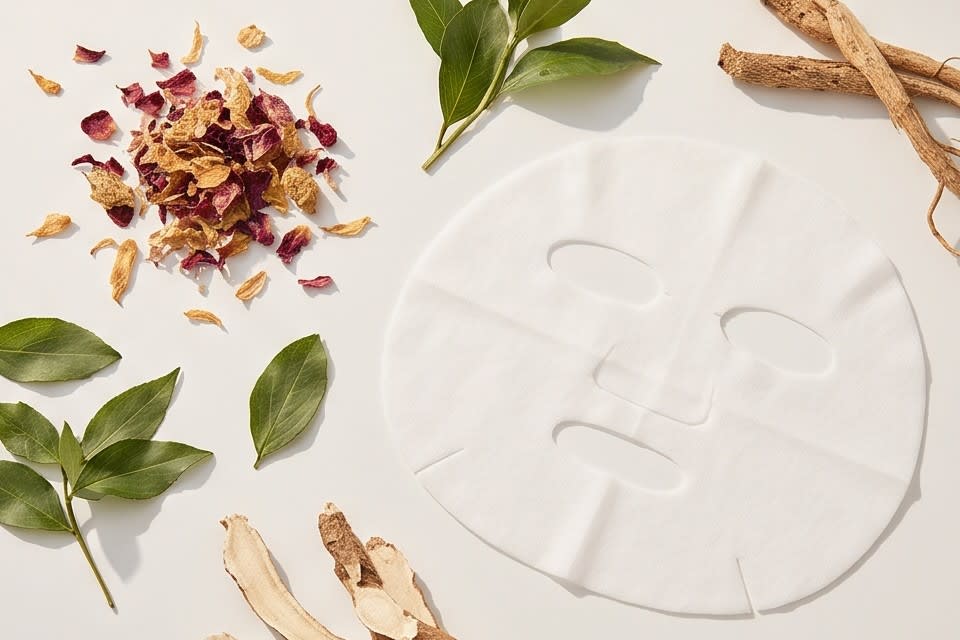
The more often you use a product, the more troublesome it can feel to examine every ingredient. However, considering the role mask packs play in a home care routine, which ingredients repeatedly come into contact with your skin is a fairly important issue.
If your skin is sensitive or easily reacts to irritation, soothing ingredients should come first. Centella asiatica extract has long been recognized as an ingredient that helps soothe and restore the skin, while Scutellaria baicalensis root extract and star anise extract are also used to calm irritation. Moisturizing comes next. Ingredients that hold moisture, such as hyaluronic acid, panthenol, and trehalose, need to be sufficiently blended so that hydration remains even after removing the mask pack.
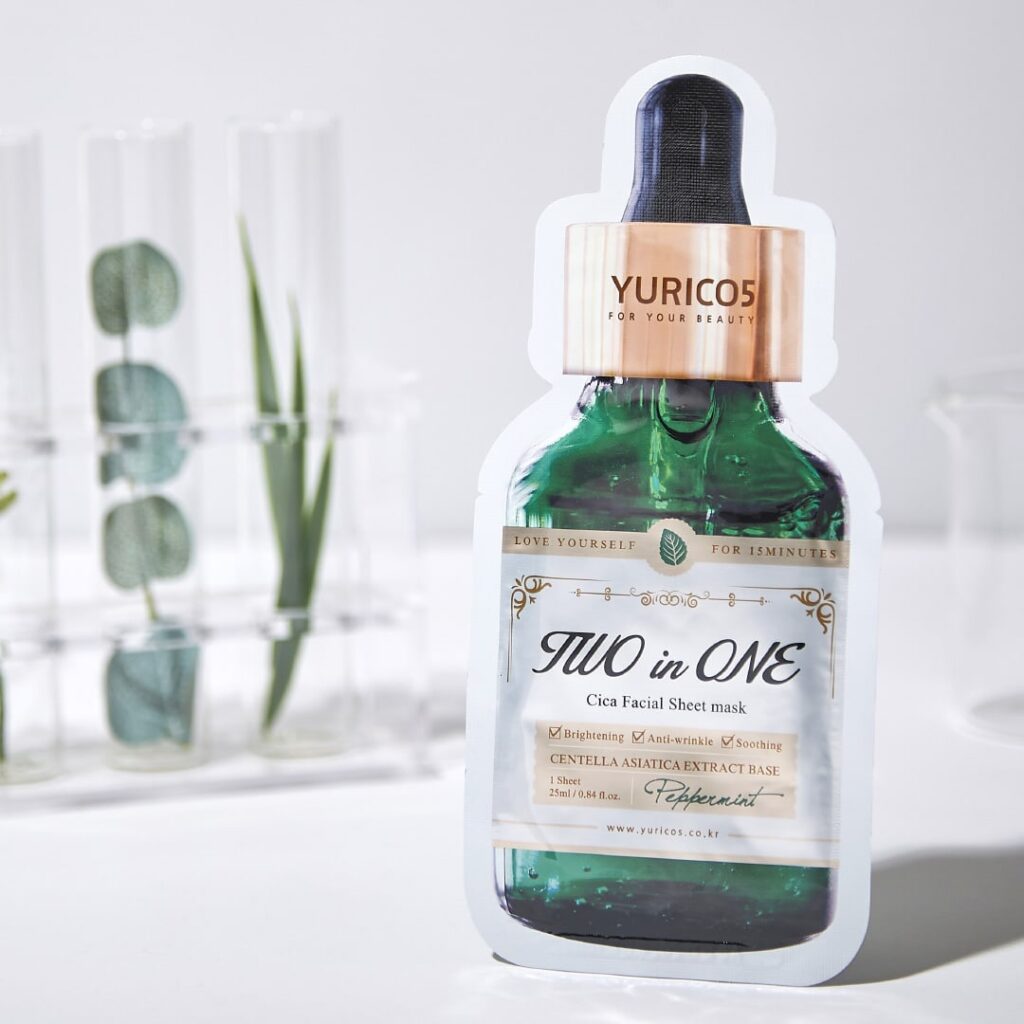
At the same time, excluding ingredients that may irritate the skin, such as parabens, alcohol, artificial colorants, amines, and mineral oil, also becomes a standard for choosing products. Sheet material is also difficult to overlook. An eco-friendly bamboo sheet increases essence absorption while feeling gentle on the skin, creating a different user experience from ordinary nonwoven sheets. The YURICO5 Two In One Cica Mask is made up of 8 lineups, designed so you can choose according to your skin condition that day. How to solve the practical issue that changing daily skin conditions are difficult to address with a single product is the key to product lineup design.
How functional ingredients work and how formulations differ
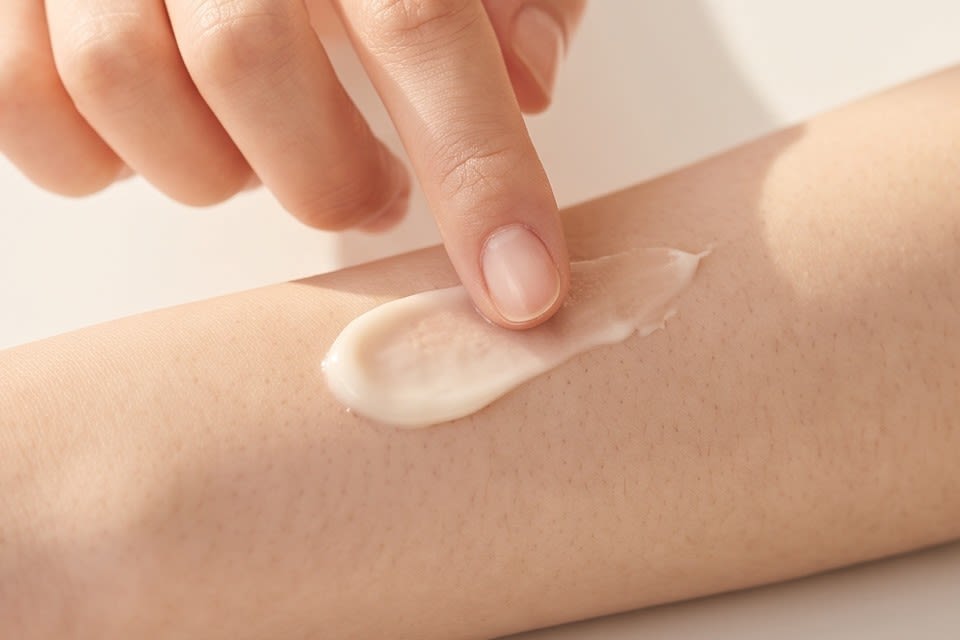
If your goal is brightening or wrinkle improvement, you should first examine the concentration and formulation method rather than the ingredient name. Niacinamide is commonly used to improve skin tone and reduce pigmentation, and according to an analysis by Marketing or Science, a 5% concentration is considered the most balanced reference point between efficacy and skin tolerability, while claims that 10% is clinically meaningfully superior to 5% are supported only in a limited way. Tranexamic acid works on the melanin production pathway to provide a brightening effect, and glutathione affects skin brightness through antioxidant action.
YURICO5 combines 10% niacinamide, 3% tranexamic acid, and glutathione in Le Biel Intense Crystal Lightening Cream, and adds its independently developed BTS③ Complex. Hupura-THA, a patented ingredient that helps prevent aging, is also applied to the Cica Mask line, and the proprietary patent using a mixed extract of centella asiatica, stevia, and taro, patent number 10-2510978, shows a technical approach at the base raw material stage. The Le Biel line has received functional certification from the Ministry of Food and Drug Safety, which is an official confirmation that the ingredient formulation meets certain standards.
The distance between simply adding one ingredient and formulating it to meet functional standards leads to differences in the results actually felt on the skin. Where that difference comes from only begins to appear when you look beyond the product ingredient list.
The longer someone has practiced skin care, the more they tend to look at ingredients before products. When good ingredients are included in the right concentration and formulation, a home care routine finally leads to meaningful results. Because what touches your skin every day accumulates and determines the direction of your skin, knowing why you choose something should come before deciding what to choose.