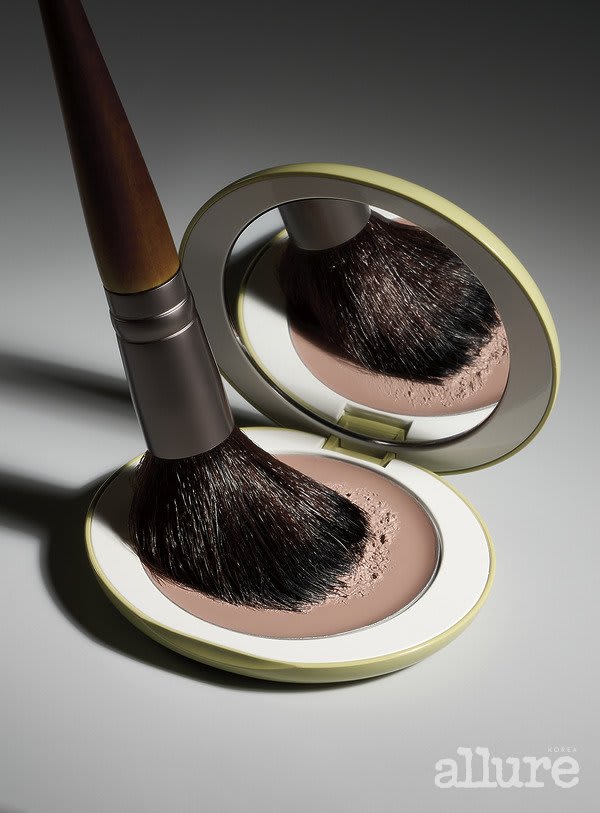
Is barely there soft cheek makeup the new trend?
For a while, blush was the easiest and most powerful tool for adding vitality to the face. Blush Blindness, a term for being so into blush that you do not even realize how red your cheeks look, even became a meme. Once used to color the cheeks, expand the application area, and sometimes even replace facial contouring, blush is now making its presence known in a different way.
The star of this shift is Anti-Blush, which uses low-saturation shades such as beige, taupe, rosy tones, mauve, and brown to create subtle warmth and dimension. TikTok creator Kim Sensor introduced this trend while featuring MAC Skinfinish Colorstruck Blush Film Noir Buff, presenting it as a method for when you do not want your blush to look obvious but still want to enjoy its effect.
The video recorded more than 2 million views, inspiring countless creators and makeup artists to reinterpret low-saturation cheek makeup in their own ways. Anti-Blush may seem similar to contouring that sharpens facial structure, but there is a clear difference.
While contouring focuses on adding shadows to make the face appear smaller, Anti-Blush is all about adjusting color and placement, then layering it so it blends seamlessly into the skin. Above all, it is important to keep the base makeup thin and well-adhered so the natural texture of the skin remains visible. If blemishes are a concern, it is better to precisely cover only the necessary areas with a pencil concealer rather than using a thick layer of foundation.
For shimmer, a subtle satin finish adds more natural dimension than intense glitter. The key point of this makeup is to layer and blend small amounts of low-saturation beige or brown shades according to the facial structure.
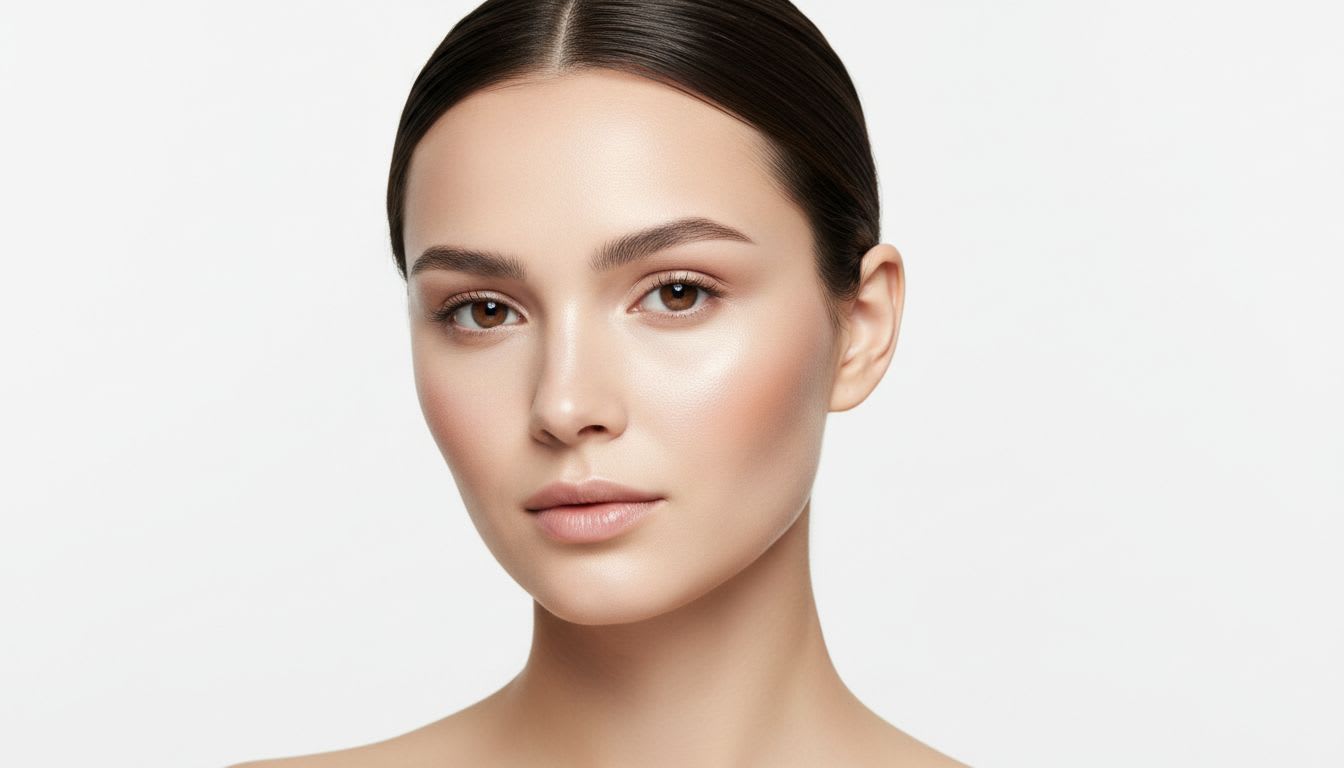
Finding the color that suits my skin
Anti-Blush is not chosen simply by following the usual warm-tone and cool-tone formula. You need to consider not only your skin undertone but also its brightness and natural redness. The goal is to find a color that melts in naturally, as if it were always part of your face.
For cool tones, mauve beige, grayish rose brown, and cool taupe work well, while yellow-toned skin pairs beautifully with peach beige, apricot nude, and soft caramel brown. If you have a neutral tone between warm and cool, try rose beige or neutral rosy brown to balance redness and shadow.
If your skin has deepened from summer tanning, rosewood, cocoa brown, and muted berry shades are excellent options. When the skin tone is darker, avoiding colors mixed with white or gray tones helps prevent the shade from looking chalky.
Before undertone, the first thing to look at is the brightness of the skin. Even within the same cool-tone category, the depth of beige and brown that suits you differs depending on whether your skin is fair or deep. If buying a new product feels burdensome, mixing your usual shading product with blush, or adding a small amount of concealer when the color is too dark to adjust the brightness, is also a smart method.
A delicate blush formula for each face shape
If you are worried that dimension may disappear, you need to adjust placement and direction according to your face shape. For a heart-shaped face with prominent cheekbones, place the color from the inside of the cheekbones toward the center of the cheeks, then diffuse it more thinly as it moves outward.
For a square face, it is best to connect the color in a rounded shape from the center of the cheekbones as if wrapping the volume, creating natural depth and softening the gaze. For a round face, sweep the color slightly above the cheekbones toward the temples to create a slimming effect. For a face with a long midface, connecting the color almost horizontally from the front of the higher cheekbones rather than the apple zone toward the side cheekbones makes the face appear much shorter.
The success of Anti-Blush depends on lowering the color payoff while elevating the mood. The key to fail-proof Anti-Blush is not trying to build strong pigment from the beginning, but layering small amounts gradually and thoroughly tapping off excess product from the brush.
Cream formulas adhere well to the skin but require careful control of the amount, while liquid formulas are more stable when layered thinly with a brush or latex puff. For powder formulas, it is best to use a soft natural-hair brush to blur the boundaries on the skin.
The essence of Anti-Blush is to take away color, erase the artificial look, and leave only natural warmth and atmosphere. The pleasant twist of blush that looks almost as if it is not there is completed through a delicate touch that understands your own skin tone and face shape.
The Anti-Blush makeup trend that maximizes your natural mood begins with delicate layering and an understanding of your own skin tone. Yuricos will continue to suggest practical beauty guides that help complete your charm in the most natural way.
