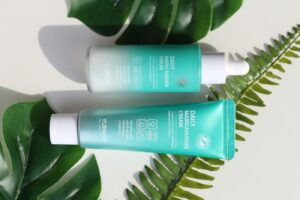
Choosing a makeup base is not as easy as it may seem. Each skin type needs different ingredients, it is hard to know what is good even after reading the ingredient list, and once applied, the results often differ from expectations. On days when your skin feels sensitive, you may hesitate to choose a product because you do not know what might cause irritation. It is only natural for it to feel difficult. Today, we will take a closer look at what makeup base actually does on the skin, then walk through the standards for choosing one that suits your skin.
What Makeup Base Does on the Skin
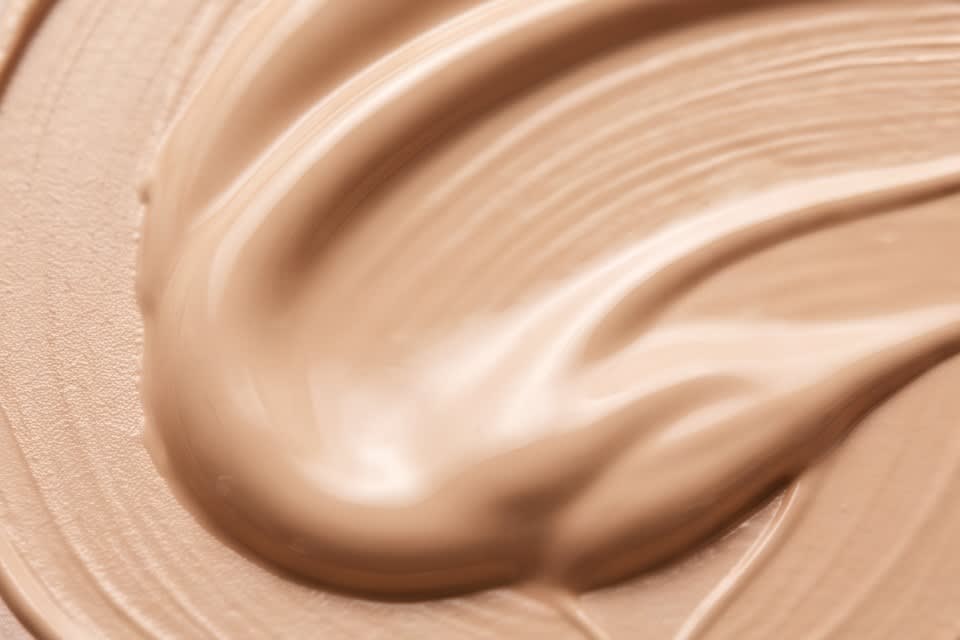
Makeup base is not simply a product applied before foundation. It helps smooth and even out the surface of the skin while creating a thin film that protects the skin from external irritation. Silicone-based ingredients commonly used in base products are known to form a protective layer on the skin surface and slow down the rate of moisture evaporation.
The more evenly this film forms, the better makeup adheres to the skin and the less likely it is to lift. After finishing your skincare routine, waiting at least 5 minutes for the products to absorb before applying base can noticeably improve adherence and longevity. This is because the base can work properly only when it is applied over a well-prepared skin surface.
Building a habit of checking ingredients when choosing a base is also important. Products that contain ingredients that may irritate the skin, such as sulfates and synthetic fragrances, can sometimes trigger breakouts on days when the skin barrier is weakened. Choosing one base product is now becoming the first step in managing skin condition.
How to Choose a Base by Skin Type
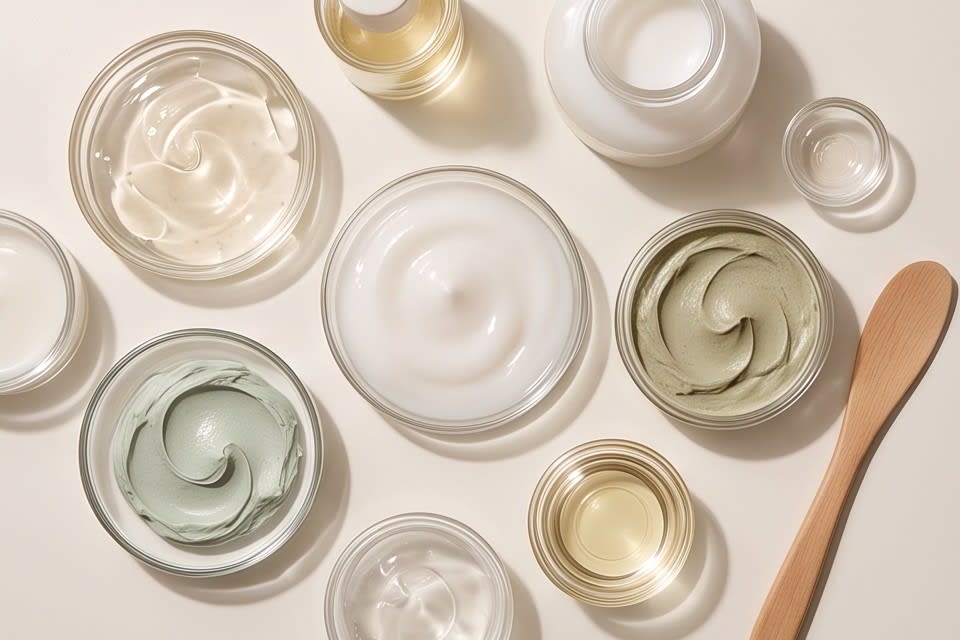
When skin types differ, the standards for choosing a base also change. If you have oily skin, a matte type product that helps control sebum is a good choice. Silicone-based mattifying primers absorb sebum and may provide wear for more than 8 hours, making them practically helpful for skin that often becomes shiny.
Dry skin, on the other hand, should prioritize products that contain ingredients to hold in moisture. If you use a base that lacks moisturizing ingredients, makeup can crack or the skin may feel even drier.
For sensitive skin, carefully checking the ingredient list is most important. Ingredients with exfoliating effects, such as alpha hydroxy acids, glycolic acid, and lactic acid, can irritate sensitive skin, so caution is needed. Understanding your skin type first and setting ingredient standards accordingly is the key to choosing a good base.
Skin Preparation Before Makeup, YURICO5’s Approach
YURICO5 focuses on the process of preparing the skin before the makeup base step. This is because for makeup to apply well, the skin itself must first be soothed and evenly refined.
The Two in One Cica Mask centers on centella asiatica extract to help soothe and regenerate the skin, and it is designed with an eco-friendly bamboo sheet so that the essence absorbs evenly into the skin. It also contains the patented ingredient Hupura-THA, which helps prevent aging and plays a practical role in refining skin texture.
The Daily Mask Pack contains moisturizing ingredients such as hyaluronic acid and panthenol, and minimizes skin irritation with a formula that excludes 5 ingredients: parabens, alcohol, artificial colorants, amines, and mineral oil. The fact that it can be used comfortably even on days when the skin is sensitive or prone to breakouts is especially meaningful at the pre-makeup stage.
When base is applied over skin that has been soothed and prepared with moisture, you can see right here where the difference begins.

Choosing one makeup base well changes more than you might think. First understand your skin type, filter out ingredients that may cause irritation, and thoroughly prepare the skin before makeup. Simply following this order can lead to a noticeable difference in makeup adherence and longevity. We hope a choice that once felt difficult now feels a little simpler.