In the past, cream was often thought of as little more than a moisturizer that left the skin surface feeling hydrated. However, as skin science advanced and consumers gained a deeper understanding of ingredients, expectations for creams began to change. Beyond simply locking in moisture, the market has rapidly shifted toward products that are expected to deliver visible changes such as brightening or wrinkle improvement. Within this trend, cosmeceutical creams are becoming a central part of everyday home care.
Why Cosmeceutical Creams Are Different from Regular Creams
In a skincare routine, cream is often considered the final finishing step, but in reality, it is closer to a key step that helps determine the condition of the skin. The difference between a regular moisturizing cream and a cosmeceutical cream lies less in the type of ingredients and more in their concentration and method of action.
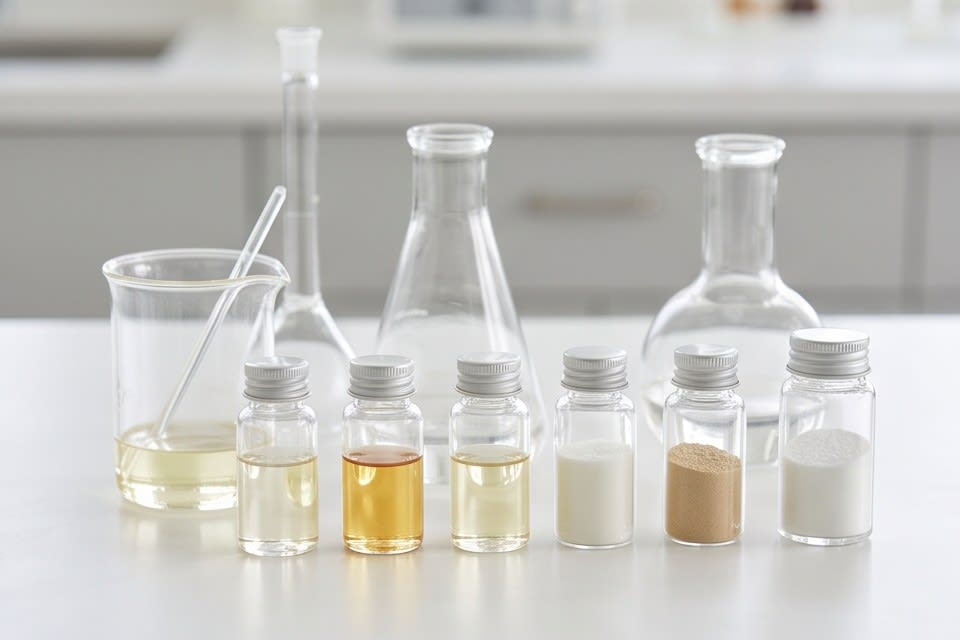
Cosmeceutical is a concept first introduced in the field of dermatological science in 1984, referring to cosmetics that contain biologically active ingredients and help induce meaningful changes in the skin. For example, niacinamide, widely known as a brightening functional ingredient, must be formulated within the 2 to 5% range according to the standards announced by the Ministry of Food and Drug Safety in order to qualify for a functional claim. Adenosine, a functional ingredient for wrinkle improvement, must meet exactly 0.04% to satisfy certification requirements.
If the concentration does not meet the required standard, it is difficult for the efficacy to be officially recognized. On the other hand, a higher concentration is not automatically better. More important than the ingredient itself is how it works within the skin and how it creates synergy with other ingredients. These standards are part of what sets cosmeceutical creams apart from general cosmetics.
How Ingredient Combinations Determine Effectiveness
When you look at how ingredient combinations are implemented in actual products, the design approach of cosmeceutical creams becomes clearer. The direction and depth of the effect vary depending not on a single ingredient, but on how multiple active ingredients are combined and in what ratio. When ingredients that act on different brightening pathways are used together, they can address pigmentation across a broader range than a single ingredient alone.
YURICO5 Le Biel Intense Crystal Lightning Cream is formulated with BTS③ Complex, a proprietary complex ingredient, along with 10% niacinamide, 3% tranexamic acid, and glutathione. Each ingredient plays a distinct role through a different pathway.
- Niacinamide helps inhibit melanin from moving to the skin surface.
- Tranexamic acid works in a way that reduces melanin production itself.
- Glutathione is involved in evening the skin tone through antioxidant pathways.
In this way, ingredients with different mechanisms of action share specific roles within one cream, which is at the core of cosmeceutical formulation design. Receiving functional certification from the Ministry of Food and Drug Safety also serves as official confirmation that the ingredient formulation meets regulatory standards. When checking an ingredient list, it is useful to go beyond simply identifying ingredient names and look at how those ingredients are designed to work together. This becomes a practical standard for choosing a cream.
Standards to Consider When Choosing a Home Care Cream
One of the most common questions consumers face when choosing a cream is how expensive it needs to be in order to be effective. The market offers creams in a wide range of prices, from tens of thousands of won to several hundred thousand won for 50ml, and price and effectiveness are not necessarily proportional. Since ingredient composition and formulation technology are major factors that determine actual results, it is more useful to build the habit of reading the ingredient list before looking at the price tag.
Check Functional Certification and Texture
Checking whether a product has functional certification can also be a practical standard. A product certified as functional by the Ministry of Food and Drug Safety means that the relevant ingredient meets the concentration standard announced by the authority, making it a basis for trust because its efficacy claim has gone through official verification.
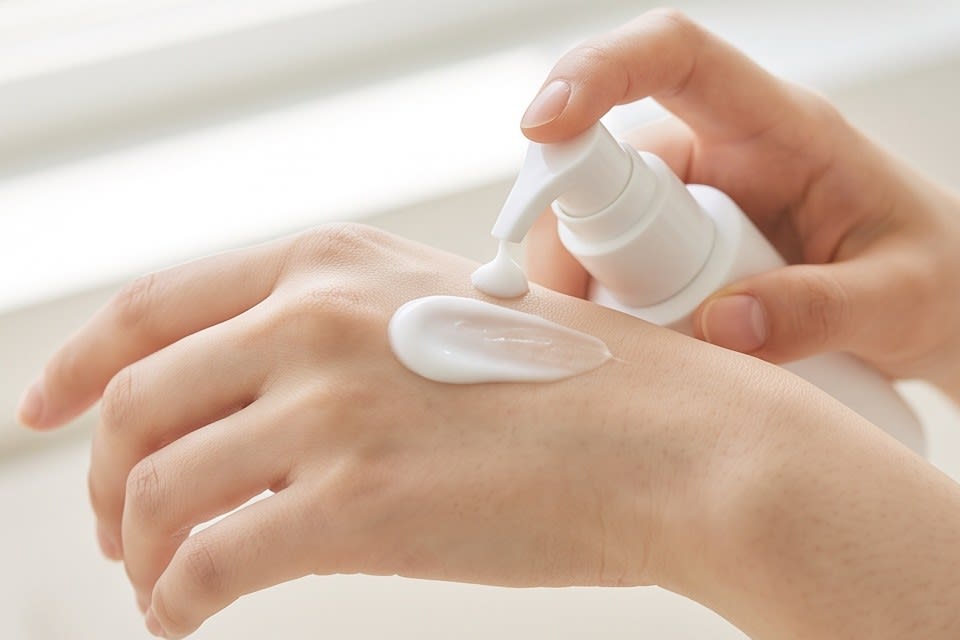
Texture and feel are also important criteria. Even if a product contains excellent ingredients, if it is uncomfortable to apply every day, it is unlikely to become part of consistent care. The factors that shape the actual user experience include the following.
- A texture that feels moisturizing without stickiness and can be used comfortably even in summer
- A fast-absorbing feel on the skin
- A finish that works well with the next step of makeup
The emergence of brands like YURICO5, which aim to offer premium ingredients at a reasonable price point, can also be seen as an effort to close this gap. When choosing a home care cream, it is worth considering the ingredient combination, whether it has functional certification, and how it actually feels during use.
It is true that choosing a single jar of cream has become more complicated than before, but once you have clear standards, the choice actually becomes simpler. Look at the combination and concentration rather than just the ingredient names, check functional certification rather than focusing only on price, and consider whether the texture is pleasant enough to use every day as much as the claimed benefits. Changes that last on the skin ultimately begin with the daily routine.