![[Exclusive] “Therapeutics are not cosmetics” Vietnam, recalls all miconazole ingredient cosmetics](https://res.cloudinary.com/dte6zhuck/image/upload/v1770340396/blogContent/308910_308852_4246.jpg)
“Therapeutics are not cosmetics” Vietnam, recalls all miconazole ingredient cosmetics
Incorporation of ASEAN Cosmetics Committee (ACC) decisions, strict separation of medicinal ingredients
The Vietnamese Ministry of Health has announced strong regulatory measures on cosmetics containing medicinal ingredients. This shows a determination to clearly delineate cosmetics and medicines and to enhance consumer safety. It is seen as a move to raise the regulatory standards of the entire ASEAN market, providing significant implications for K-Beauty companies.
Vietnam moves to strictly regulate cosmetics containing medicine ingredients
On January 17, the Drug Administration under the Vietnamese Ministry of Health issued Decision No. 30/QD-QLD, ordering the immediate suspension and recall of cosmetics containing miconazole and miconazole nitrate that do not meet safety standards.
Miconazole, “clearly defined as medicinal active ingredient”
This measure clarifies that miconazole is an antifungal active ingredient used in the treatment of skin diseases. The Drug Administration reaffirms that miconazole usage in shampoos and personal hygiene cosmetics does not meet current safety standards and that the ingredient should be managed as a medicine instead of a cosmetic.
42nd ASEAN Cosmetics Committee (ACC) meeting, background of regulatory enhancement
This strengthening of regulations by Vietnam should be noted as a follow-up action actively reflecting the decisions from the 42nd ASEAN Cosmetics Committee (ACC) held in Indonesia in November 2025. It clearly shows that ASEAN countries are prioritizing consumer protection by synchronizing cosmetics safety standards.
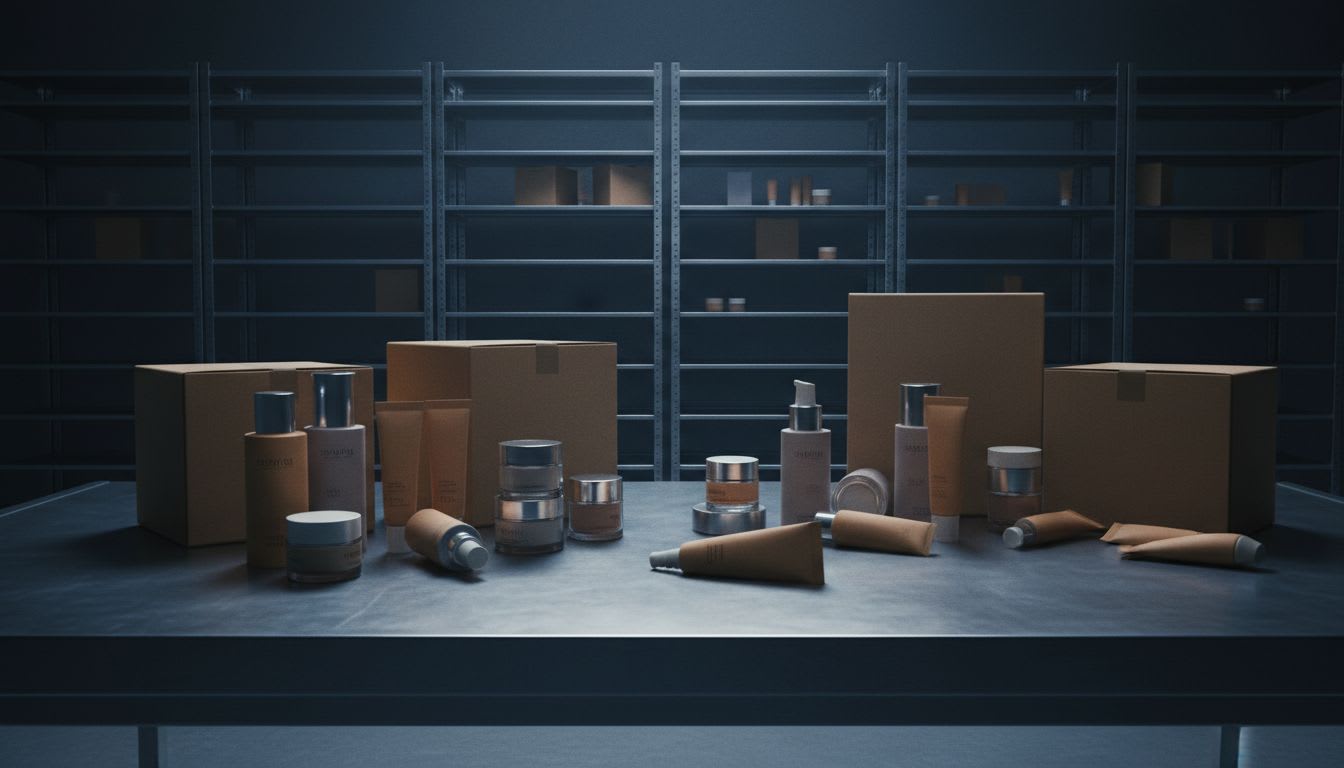
Immediate discontinuation of distribution of 8 product types, obligation to report disposal by February 12, 2026
According to the recall order, eight types of cosmetics containing miconazole that were distributed throughout Vietnam are immediately withdrawn from sale. Distributors and holders of sales licenses must recall all such products and complete disposal procedures. They must report the results to the Vietnamese Ministry of Health by February 12, 2026.
If this reporting obligation is violated, further administrative sanctions are expected to follow, making a prompt response from related industries more crucial than ever.
Impact of ASEAN regulatory tightening: How should K-Beauty respond?
This action by Vietnam is likely to extend beyond a single nation’s regulation as it follows agreements from the ASEAN Cosmetic Scientific Body (ACSB). Other major ASEAN countries such as Thailand and Indonesia are also expected to expand regulations on similar ingredients. How should K-Beauty respond to these changes?
Review of cosmeceutical ingredients: no longer an option but a necessity
Global brands and K-Beauty companies aiming for entry into the ASEAN market must quickly adapt to these changes. Urgent is the reassessment of ingredients for the ‘Cosmeceutical’ product line which emphasized functionality by incorporating medicinal ingredients. Local experts analyze that ASEAN cosmetics regulators are setting a more conservative boundary between cosmetics and pharmaceuticals. This requires attention not only to miconazole but also to other similar medicinal active ingredients in cosmetics in general.
Focus on the true value of cosmetics and explore new markets
In the future ASEAN market, formulations and ingredients that are faithful to the original purpose of cosmetics, such as skin barrier strengthening and low-irritation calming, are expected to become mainstream rather than intense active ingredients for therapeutic purposes. This signifies a change across product development and marketing strategies and can be a good opportunity to focus on the essential value of cosmetics.
The comprehensive recall of miconazole-containing cosmetics in Vietnam clearly demonstrates the increasing tightening of cosmetic safety regulations in the ASEAN region. Companies should closely monitor the changing regulatory environment and focus on stringent verification of product ingredients and efficacy to gain consumer trust. Only proactive and strategic responses will maintain competitiveness in a rapidly changing market and create new opportunities.
The strengthening of cosmetic regulations in the ASEAN region requires new strategies from K-Beauty companies. Yuricos provides valuable insights and practical information to help your company successfully establish in the market in response to these changes.