![Doll makeup trend on TikTok... Rising C-Beauty [China Watch]](https://res.cloudinary.com/dte6zhuck/image/upload/v1768265344/blogContent/R658x0.q70.jpg)
China’s C-beauty Strikes Back with Dazzling Color Makeup
In the global cosmetic market long dominated by K-beauty, C-beauty has quickly surged, creating an intense competitive landscape.
For a long time, Korean cosmetics have been building a unique stature and recognition in the global market. With the spotlight on K-Pop and K-Dramas, the “glass skin” image strategy emphasizing moisture and innocence has captured international consumers. However, an unmissable trend is emerging: China’s native cosmetics brands are gearing up with color-focused strategies for a full-scale global attack. Under the banner of “C-beauty,” these brands are making a calculated yet bold challenge on the world stage, backed by a robust domestic market.
Niche Strategy Focusing on Color Cosmetics
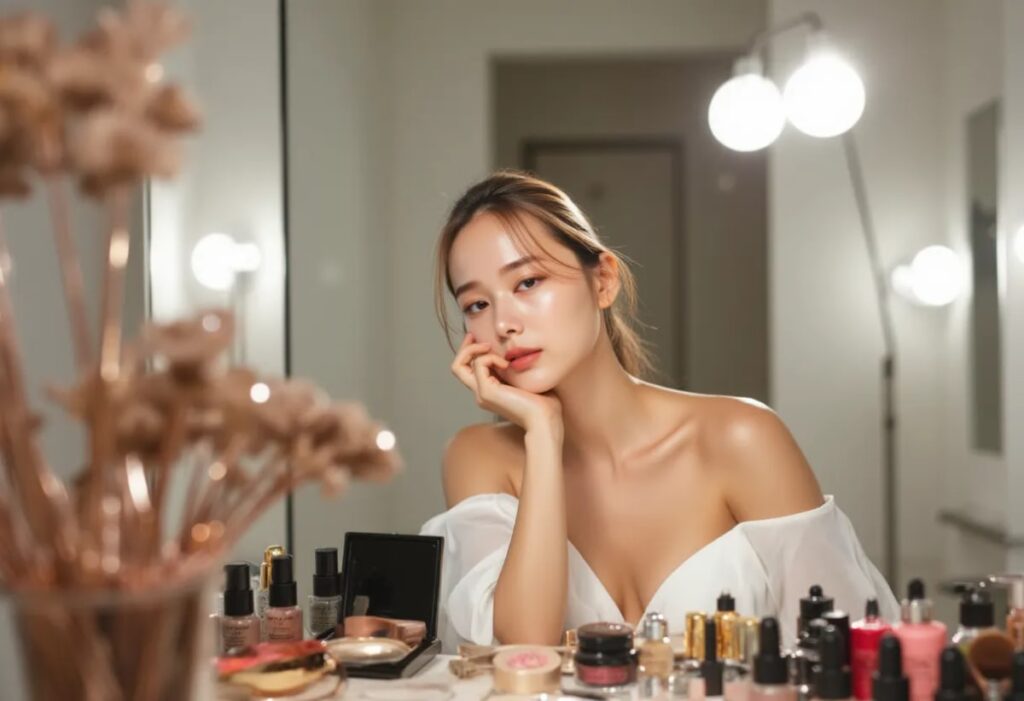
The specific field targeted by Chinese cosmetics is color products. They present lower entry barriers than skincare and bear less risk in terms of price and quality. Some brands are already leveraging Douyin (China’s TikTok) to spread vibrant and characterful doll makeup styles around the world.
“Attracting new consumers is tough with high-priced skincare that struggles with long-term effect validation.”
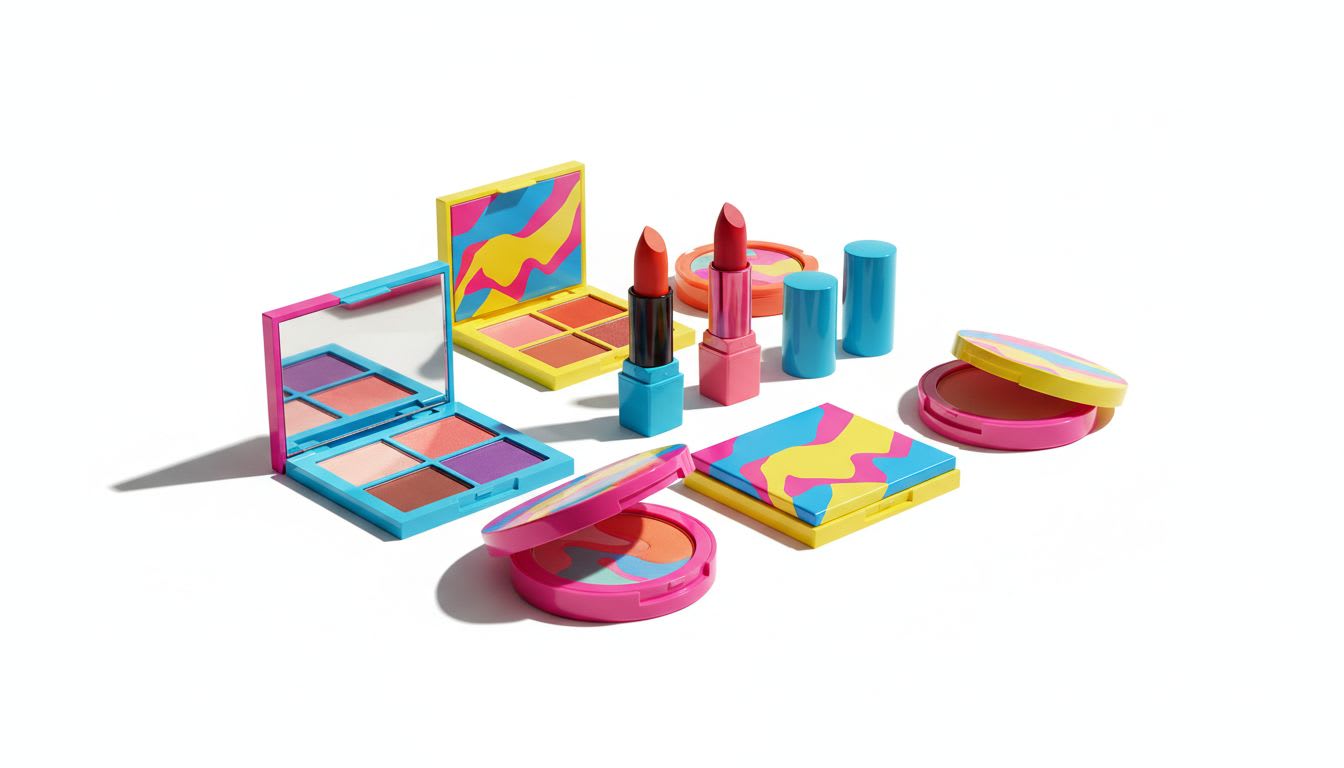
Under this realistic insight, Chinese cosmetic firms are enhancing their marketing of color-centric products through global platforms like TEMU and AliExpress. Especially appealing is the pop and flashy packaging with trendy color schemes favored by the younger demographic. Even those who previously stuck with Korean cosmetics are beginning to take notice of the trend.
C-Beauty Expanding from Domestic Base to Worldwide
The significant rise of the Chinese cosmetics industry is rooted in the “Guochao” phenomenon. This consumer pride in domestic brands, alongside content reflecting traditional aesthetics, has bolstered the rapid growth of native brands. As of 2024, domestic brands claimed 55.7% of China’s cosmetic market share, closing the gap with K-beauty.
“China’s huge domestic market is a structural advantage difficult for other countries to replicate.”
With this confidence, Chinese companies are not content with just competing domestically but are eyeing international markets. According to Euromonitor, China’s cosmetics market has competitive stature both in absolute scale and growth potential. From January to November 2023, exports reached $3.99 billion, an 8.7% increase from the previous year, supporting this trend.
The Long-Held Barrier of Korean Cosmetics: Consumer Trust
Of course, C-beauty still faces significant hurdles. The major concern for domestic and international consumers alike is product safety and efficacy trustworthiness. Accumulated clinical data and reviews, along with brand awareness, are variables not easily matched.
“The core competitive edge of Korean products lies in their long-term trust.”
In the skincare segment especially, C-beauty is still less favored than K-beauty in terms of functional efficacy and brand symbolism. Bloomberg Intelligence also noted that while Chinese brands perform well in color cosmetics, they have limitations in high-end skincare and premium markets.
Marketing, Culture, Content… The Advanced Strategy of C-Beauty
C-beauty’s overseas strategy is evolving from mere product exportation to spreading cultural narratives. A prime example is Flower Knows, which opened its first pop-up store in Seoul last year, testing the waters for entering the Korean market via its official online store. Such efforts signify more than simple product placements, aiming to assess local reactions and devise long-term strategies.
At the same time, top-tier Chinese actors and influencers showcase native makeup on platforms like YouTube and Douyin, expanding global consumer connections. Some content even adopts visual style reminiscent of K-pop, increasingly standing out in content competitiveness.
“To succeed globally, Chinese brands need cultural intermediaries like K-pop.”
Southeast Asian Market Driving Performance: The ‘Second Battleground’
Southeast Asia is currently a major stage where Chinese cosmetic brands assert their presence. In countries like Malaysia, Indonesia, and Singapore, C-beauty’s annual growth rate exceeds 100%, reflecting explosive success. While these consumers are familiar with Hallyu, they demonstrate a tendency to explore various brands, showing a favorable disposition towards Chinese products offering design and performance at a reasonable price.
As a result, C-beauty brands have seen rising advertisement reach annually, not just with department store entries but also via SNS marketing utilizing KOLs (Key Opinion Leaders). Some brands are even rolling out product planning tailored to local culture, actively engaging in localization.
K-Beauty vs. C-Beauty: More Than Just Consumer Goods, It’s an ‘Image War’
Nowadays, cosmetics are not merely consumer goods; they are cultural content that influence a country’s image. If K-beauty symbolizes innocence and purity, C-beauty boldly and originally projects its own mood. These two cosmetic powerhouses within Asia showcase different aesthetic standards, evolving into a bidirectional development model satisfying diverse consumer desires from different nations.
Furthermore, China introduces new aesthetic standards solely through packaging and color styles, stimulating consumer senses. Korea counters this with branding built on functionality and trust, expanding the competition beyond mere sales to encompass an all-encompassing image battle.
Expanding Interest Beyond Asia to European and American Markets
Recently, C-beauty has been exploring the potential to enter North American and European markets. While K-beauty already holds significant recognition in these regions, global beauty trends keep evolving. With makeup looking towards bold glam styles like those seen in “Euphoria,” the increased demand for vibrant colors can present opportunities for Chinese brands.
The key, however, is building a brand over the long term, not just short-term marketing. For Chinese brands to transition from being seen as “affordable alternatives” to “premium you can trust,” significantly more time and consistent quality control will be necessary.
In Conclusion
As Chinese cosmetics brands challenge the global market, primarily with color products, the cosmetics industry is facing an even more dynamic competitive structure. However, proving their reliability and effectiveness in premium skincare still demands significant time and strategy. The contrasting strengths of the two nations can stimulate each other to drive overall market innovation.
Despite the advancements of C-beauty, the true growth of the cosmetics industry must be founded on consumer trust and effectiveness. will continue to support the unique quality and innovation of Korean cosmetics based on these values.