Spreadable PFAS in Cosmetics, Is it Safe When Left in the Body?
With some cosmetics containing PFAS, it remains unclear what impact they might have on the human body, and the FDA has said it’s too early to declare them safe.
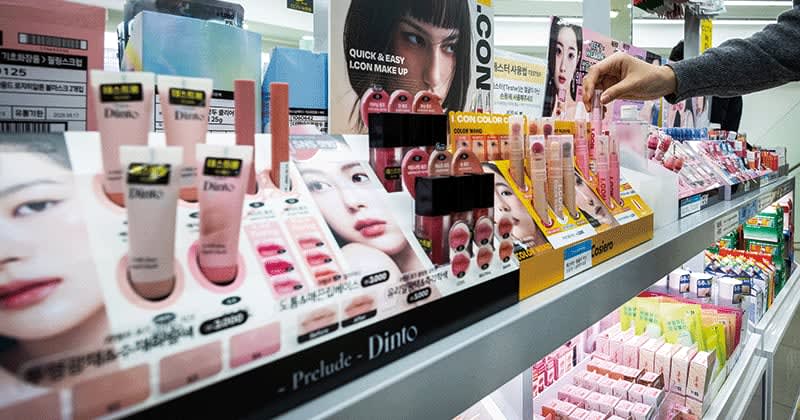
Every morning, we start our day by applying foundation and mascara to our faces. But imagine for a moment if ‘forever chemicals’ that never break down were seeping into your skin at that moment? A recent report published by the U.S. Food and Drug Administration (FDA) supports these concerns.
What is PFAS…The Identity of ‘Forever Chemicals’
PFAS stands for ‘perfluoroalkyl and polyfluoroalkyl substances,’ synthetic chemicals that hardly break down naturally and can remain and accumulate in the human body for a long time. They are consequently nicknamed ‘forever chemicals.’ They are commonly used to enhance water repellency, longevity, and spreadability in various industries and consumer products, especially cosmetics.
According to an FDA report released in January 2026, PFAS were included in 1,744 cosmetic product formulations in the U.S., with 51 types of PFAS compounds identified. The most frequently applied products were waterproof and color cosmetics.
PFAS Safety…“We Still Don’t Know”
The key takeaway from the report was ‘no conclusion could be drawn.’ The FDA was unable to conclude whether PFAS adversely affects the human body simply because there’s insufficient toxicological data. The report explicitly states:
“Most PFAS lack complete or even existing toxic data, resulting in significant uncertainty regarding consumer safety.”
FDA Director Marti Makary expressed concern during the report’s release, citing “serious gaps in toxicological information.” The issue isn’t just that the risk isn’t verified, but the lack of quality data itself.
Why Aren’t There Regulations…Science Is Slower Than Law
Currently, there are no federal laws in the U.S. prohibiting PFAS in cosmetics. The FDA’s position is that regulatory action may be considered if future scientific evidence is accumulated, implying the existence of potential danger hasn’t been proved yet due to a lack of sufficient scientific basis.
Law and regulation lag behind science, which becomes evident in discussions around PFAS. Existing studies only show a possibility that chronic low-dose PFAS exposure could be linked to cancer, pregnancy complications, or increased cholesterol levels.
PFAS: Difficult for Consumers to Identify in Products
A major issue is that PFAS are not clearly recognized by consumers. Even when listed on product ingredients, they are described using chemical names like ‘PTFE’, ‘Perfluorooctyl Triethoxysilane’, or ‘Polyperfluoroethoxymethoxy Difluoroethyl PEG Phosphate’, making them hard for the average person to identify.
Thus, while it’s tough to conclude products aren’t harmful just because harmfulness isn’t proven, consumers are in a situation where they can’t easily ascertain which products they are using.
Types of Cosmetics Utilizing PFAS?
According to the report, PFAS are predominantly used in three functional types of cosmetics.
- Long-wearing products – Products like mascara, eyeliner, and foundation, where forming a barrier is required to resist water, sweat, etc.
- Products enhancing spreadability and feel – Used to create a smooth texture, providing a luxurious application feel.
- Products requiring coating – Applied to lipsticks, tints, etc., to help maintain color for extended periods.
Because of these features, PFAS have appealed to consumers pursuing ‘premium functionality’, but simultaneously, unclarified uncertainties linger beneath.
Scientific Perspective on PFAS
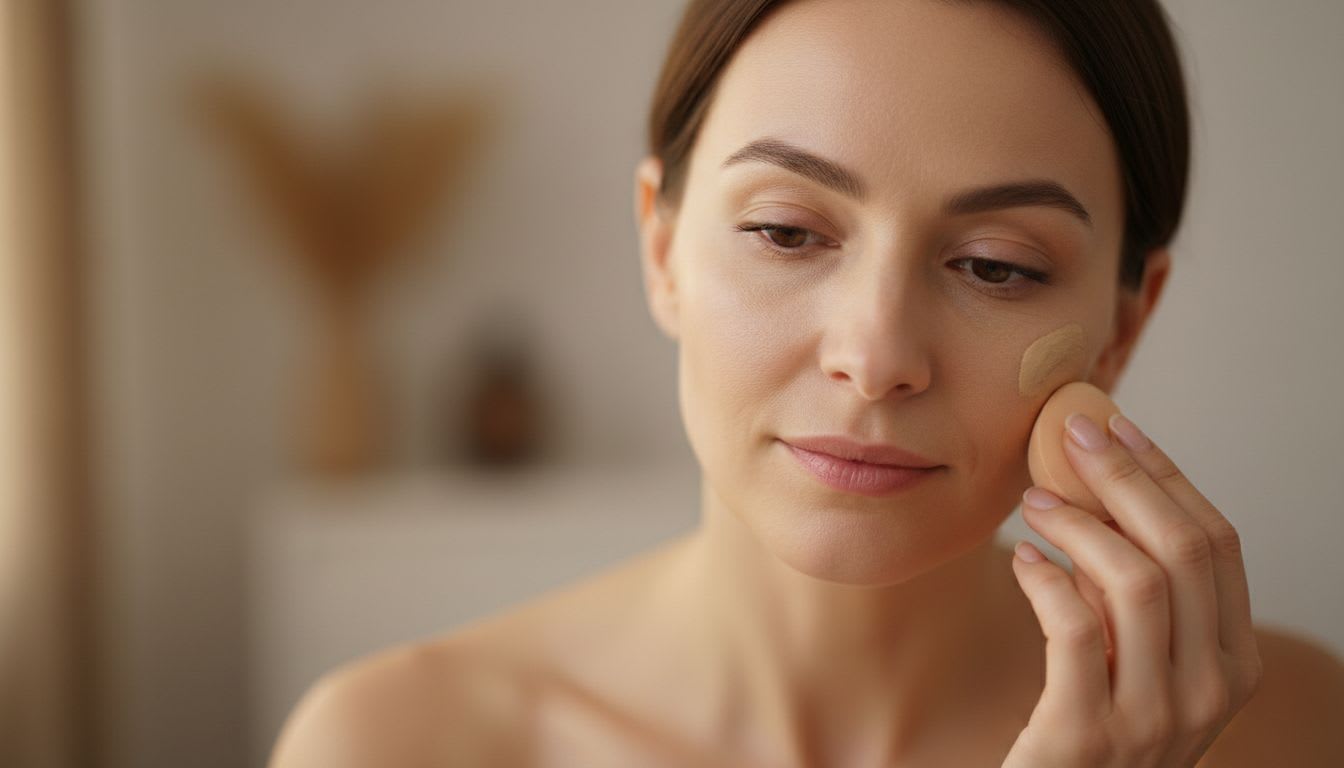
In the recent FDA study, attention was drawn more to the lack of research on how chronic low-dose exposure through cosmetics affects the human body than to the harmfulness of PFAS itself. Especially since cosmetics are directly applied to the skin through repeated use (unlike food), the risk as an exposure path is hard to overlook.
“Potential harm from PFAS is determined more by exposure duration, form, and accumulation path than by concentration.”
This situation presents ‘transitional uncertainty’ for both consumers and manufacturers. At present, neither science nor regulation offers conclusive directions.
How Can Risks Be Avoided?
What actions can consumers take to preemptively reduce risks by bypassing uncertain safety? Experts provide the following advice:
- Read the full list of ingredients carefully, and be cautious of ingredient names containing Fluoro.
- Control the use of long-wear, waterproof, and other durability-emphasizing products.
- Replace with low-irritation products centered on color cosmetics or minimize usage.
Ultimately, more toxicological research and policy standardization must follow individual efforts.
In Conclusion
The controversy over the safety of PFAS-containing cosmetics remains in a state of ‘information deficit.’ It’s not that there’s no danger at the moment, but rather that we do not yet precisely understand the danger, highlighting the need for advancements in both science and regulation.
There is a continuing need for research on the safety of ingredients like PFAS in the cosmetics industry. seeks to provide reliable information for such product development, creating opportunities for safe and practical choices together.