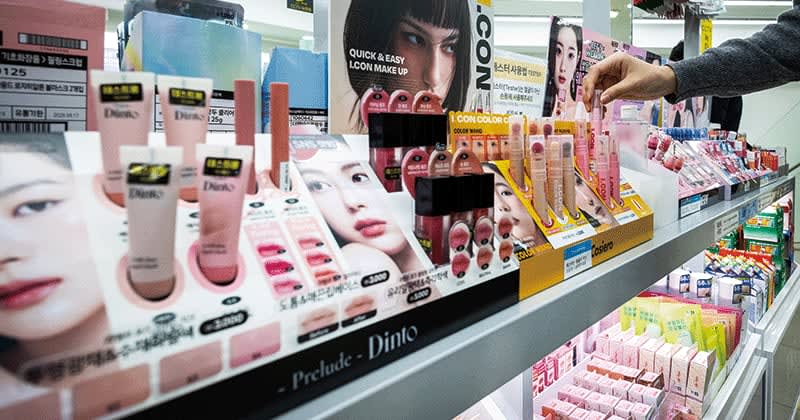
“Cosmetics are also embracing ultra-low prices” Daiso, rapid growth in cosmetic sales
AmorePacific, LG Household & Health Care, and other giants join the trend
The pricing dynamics of the domestic beauty market are being reshaped at an astonishing pace. With ultra-low-priced cosmetics priced between 1,000 and 5,000 won gaining explosive popularity at Daiso, the established spending patterns focused on the 10,000 to 30,000 won range are undergoing notable changes. This article delves into the backdrop of Daiso’s ultra-low-priced cosmetics’ rapid growth, the strategic responses from major beauty companies, and the market challenges and future outlook, offering in-depth insights.
Steep growth of Daiso’s cosmetics market
Daiso’s cosmetics category has shown spectacular growth in recent years. In fact, the year-on-year sales growth rate was 50% in 2022, 85% in 2023, and surged to 144% in 2024. With around 70% growth sustained in 2025 and a further 30% increase in January this year compared to the previous year, the growth trend continues strongly.
This explosive sales increase is closely related to the proactive expansion of brands and product ranges. By the end of 2022, Daiso’s cosmetics consisted of merely 7 brands with about 120 items, but by the end of 2023, this expanded to 26 brands with about 250 products, and further to 60 brands with about 500 items by the end of 2024. By the end of 2025, it crossed 150 brands and over 1,400 items, establishing ultra-low-priced cosmetics as a major consumer trend rather than just a niche market.
Background of the ultra-low-price trend and value-seeking consumption
In the past, ultra-low-priced cosmetics were often viewed as merely “cheap alternatives for emergencies.” However, perceptions have fundamentally changed recently, with these products emerging as a strong consumer trend.
Particularly through social networking services (SNS) and YouTube, information about the excellent “value-for-money” of products like 1,000 won face masks and 3,000 won lip products is rapidly shared, leading to frequent sellouts. This underscores the analysis that the desire for “value-seeking” consumption, aimed at maximizing satisfaction while lowering price burdens, is a strong driving force behind the demand for ultra-low-priced cosmetics. The consumer demand for affordable yet high-quality products acts as a crucial accelerative factor in the growth of the ultra-low-priced market.
Strategies of major beauty brands entering Daiso
In tune with the changes in the ultra-low-priced cosmetics market, major domestic beauty companies are actively expanding their Daiso-exclusive product lines. Notably, AmorePacific successfully launched the “Mimo by Mamonde” brand exclusive to Daiso in September 2024. Within just four months of its market entry, it achieved a cumulative sales volume of over 1 million, firmly establishing itself in the market.
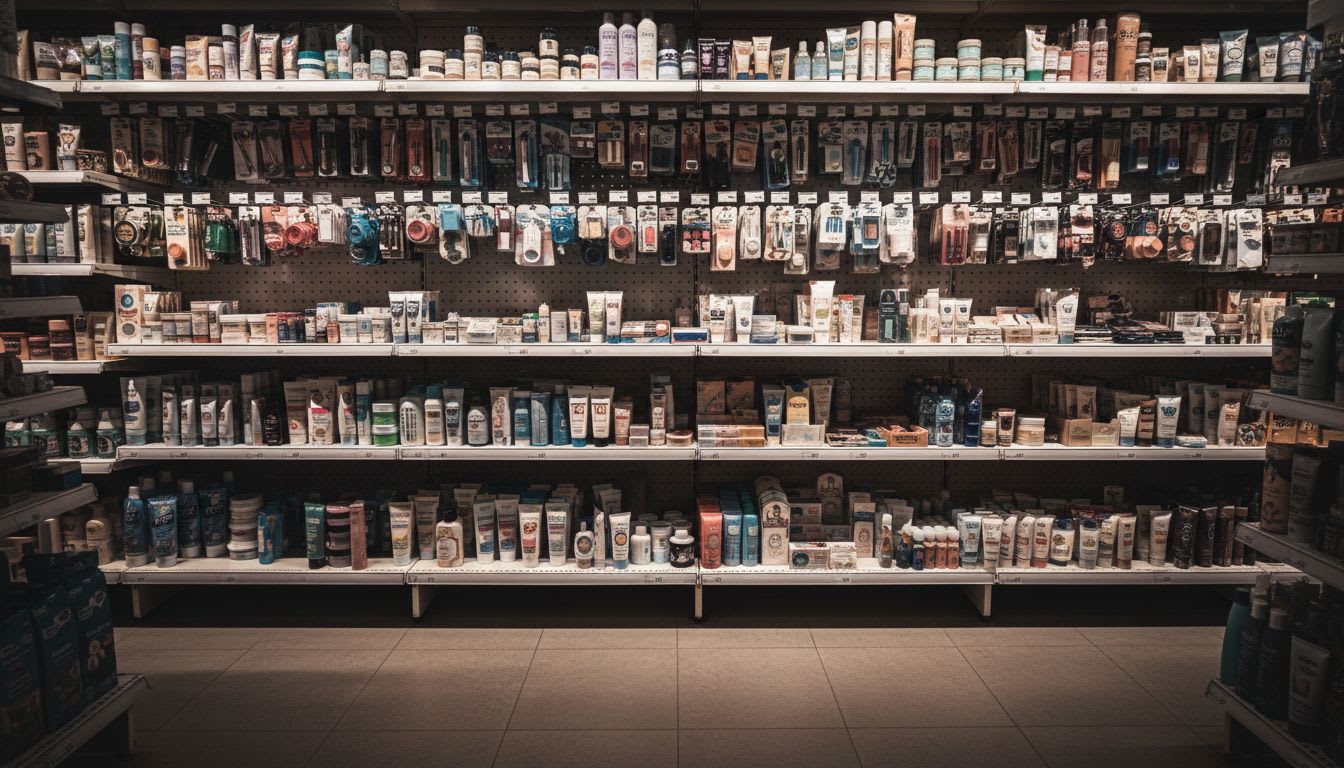
LG Household & Health Care is also actively managing its Daiso-exclusive lineup, with some products continuously selling out both offline and online due to explosive reactions. This clearly demonstrates that the strategy of separately planning and managing products at entirely different price ranges from existing mainstream distribution channels is prominently positioning itself as a significant trend in the beauty industry.
Challenges of pricing strategy and brand image management
The entry of major beauty brands into ultra-low-priced channels certainly brings the positive effect of market expansion, but it also carries challenges that need careful handling. Industry experts express concerns that excessive price reductions might disrupt existing brand pricing structures and potentially impact the premium image negatively in the long run. Additionally, managing the price disparities that may arise when operating products at different price levels across various distribution channels remains a significant challenge. This requires a very careful approach from companies that aim to effectively capture new market opportunities while maintaining strong brand value.
Investments for securing customers in the long term
Industry insiders view the entry into ultra-low-priced channels like Daiso as not just a means for generating short-term profits but as a long-term investment to significantly expand consumer touchpoints. Especially for young consumers in their teens and twenties, offering them the experience of a specific brand at an affordable price is strategically intended to naturally lead them to higher-end or premium lines once their purchasing power increases. This competitive endeavor by beauty companies to lower brand entry barriers through ultra-low-priced products and secure a long-term customer base is expected to intensify further.
Conclusion
The rapid growth of Daiso’s ultra-low-priced cosmetics market presents new opportunities in the domestic beauty industry, as well as strategic challenges requiring careful approach. Although major corporations are actively entering the market in line with the value-seeking consumption trend, maintaining a careful balance on pricing policies and brand value remains essential. Ultimately, ultra-low-priced channels are expected to become key touchpoints for securing future customers, driving dynamic changes in the beauty market moving forward.
As demonstrated by the trend of ultra-low-priced cosmetics from Daiso, consumption patterns in the beauty market are continually evolving. YURICOS stands as a reliable partner, providing professional blog marketing solutions to help each brand appeal more attractively to consumers amidst these changes.
