Fake Cosmetics, Dolls, Car Keys… Customs Service Detected 117,000 Pieces of K-Brand Counterfeits
With the rising global popularity of Korean brands such as K-Beauty and K-Food, more than 110,000 counterfeit items were discovered last year, highlighting a severe issue of intellectual property infringement. Persistent efforts are required to protect the value of K-Brands, which are the result of our companies’ hard work and dedication.
Last Year’s Situation of Detected K-Brand Counterfeit Items
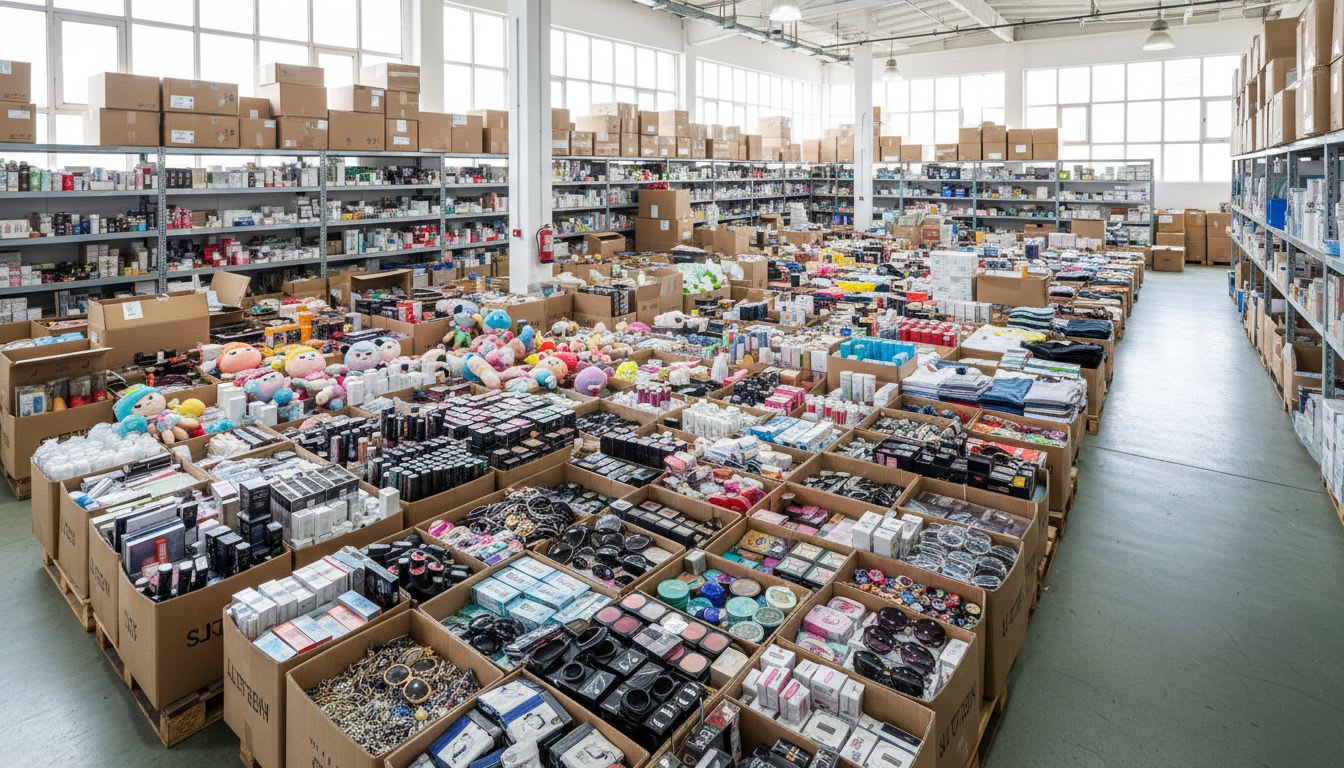
The total number of K-Brand counterfeit items identified by the Customs Service last year was 117,000. These counterfeits were intercepted across various channels: 60,094 items in 13 general cargo cases, 55,903 items in 6,287 express cargo cases, and 1,008 items in 61 postal cases. This trend is attributed to the intensifying distribution of small cargoes through direct overseas purchases, following the activation of e-commerce, which has diversified the routes used for counterfeit distribution. Customs authorities have focused their inspections at the customs clearance stage to effectively block the distribution of counterfeit goods piggybacking on the global popularity of K-Brands.
Diversification of Counterfeit Distribution Channels and Items
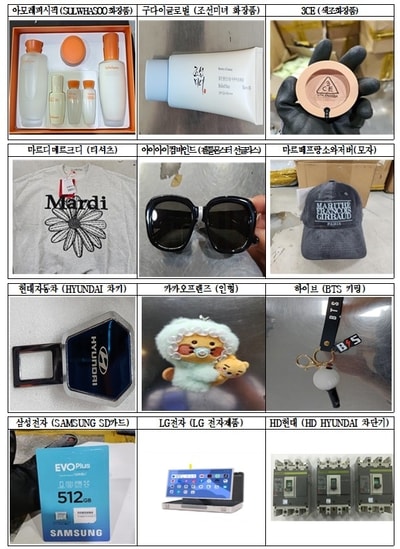
The scope of detected intellectual property infringement items was exceedingly broad. Counterfeiting was confirmed in various items, including famous cosmetics such as Sulwhasoo, Joseon Beauty, and 3CE, along with Mardi Mercredi t-shirts, Gentle Monster sunglasses, Marte Francois Girbaud hats, Kakao Friends dolls, HYBE BTS (BTS) keychains, Samsung Electronics SD cards, LG electronics, and HD Hyundai circuit breakers. This diversification of items clearly indicates that the popularity of K-Brands is spreading across multiple industries beyond certain specific fields.
Main Sending Countries and Trends in Counterfeit Items
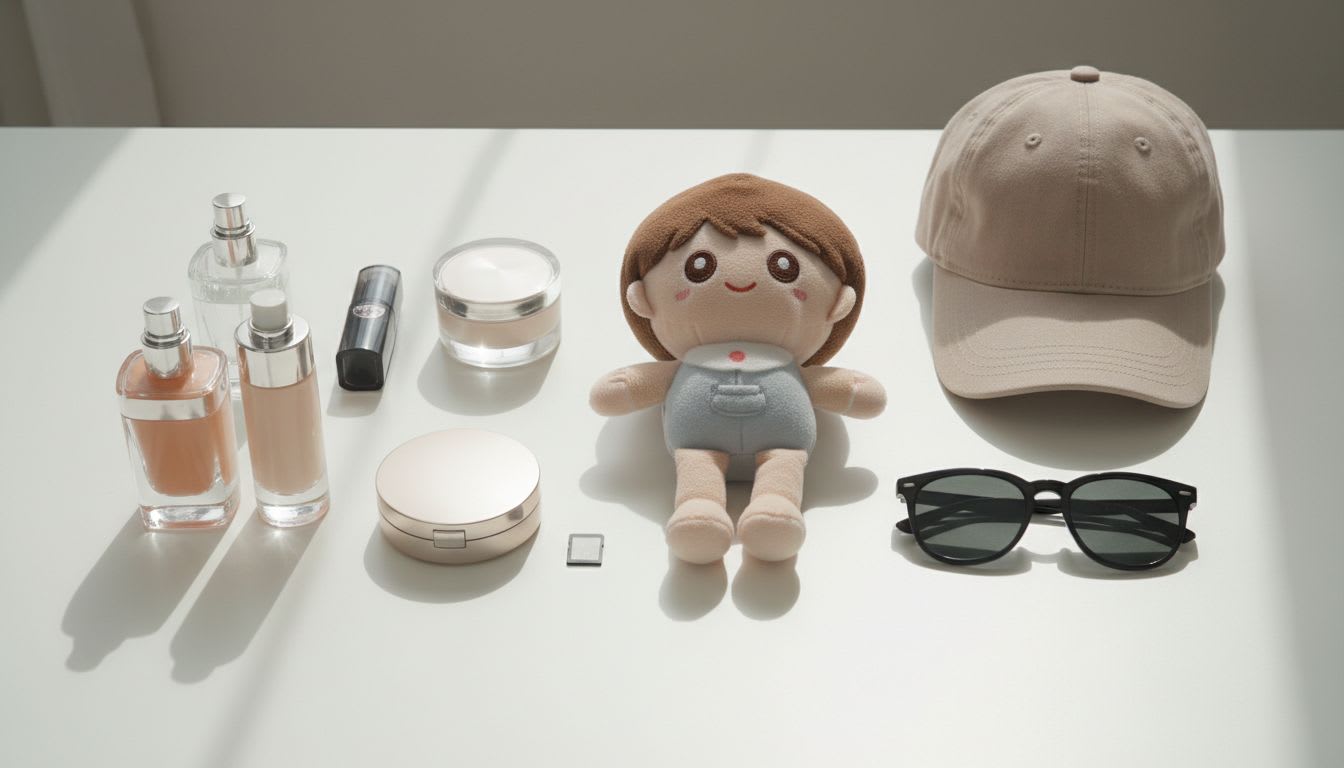
The analysis of the sending countries for counterfeit items showed that China overwhelmingly accounted for 97.7%, followed by Vietnam at 2.2%. By category, cosmetics accounted for 36%, and stationery toys for 33%, showing high proportions. This suggests that K-Beauty and character goods are particularly popular overseas and thus become prime targets for counterfeiters. With the expansion of K-Brands, the range of targeted items for counterfeiting is also consistently diversifying. Such trends provide a crucial foundation for formulating intellectual property protection strategies.
Customs Service Efforts to Protect K-Brand Intellectual Property
The Customs Service is taking proactive measures to prevent the damage that our companies experience due to counterfeit goods. Based on the ‘MOU for Cooperation on Intellectual Property Protection at the National Border’ signed with China on the 5th, they plan to strengthen cooperation between the two countries through sharing of laws and systems related to intellectual property rights, exchange of information on counterfeit goods inspections, and more.
Moreover, the Customs Service plans to conduct a thorough survey of the actual distribution status in countries where the damage from counterfeit goods is particularly severe, and expand information exchange and cooperation with overseas customs authorities based on those findings. Additionally, they will form a public-private collaborative body in which Korean brand companies directly participate to gather on-the-ground voices and suggestions from the industry. This will contribute significantly to reflecting the real needs of the field in policy formulation and seeking practical protection measures.
Lee Myung-gu, Commissioner of the Customs Service, defined intellectual property infringement as a transnational crime that damages the valuable efforts and achievements of domestic companies. The Customs Service plans to expand focused inspections on counterfeit goods, strengthen close cooperation with overseas customs, and thereby steadfastly protect the export competitiveness and global status of our companies.
Closing Remarks
The success of K-Brands extends beyond mere commercial achievement, representing a crucial value in elevating the cultural status of Korea. The distribution of counterfeit goods undermines this value, harms consumers, and seriously inhibits the creativity and efforts of domestic companies. We feel a profound responsibility to thoroughly protect the intellectual property of K-Brands and foster a healthy market environment in the face of these challenges.
Continuous attention and support through strong law enforcement by customs authorities, international cooperation, and organic public-private collaboration are essential for K-Brands to shine and grow even further in the global market. We are confident that these multifaceted efforts aimed at the future will solidify the status of K-Brands even more.
Particularly, maintaining trust in the K-Beauty industry is crucial, and YURICOS is committed to providing accurate and useful information to help consumers choose genuine K-Brand products and serve as a robust ally in protecting the value of our companies.
