Year-end, Sun Protection Should Remain a Part of Your Skin Health Routine
With the holiday season approaching, busy and hectic days are inevitable. However, during such times, maintaining fundamental habits to protect your skin health is crucial. Even in cold winter with snow, UV rays still threaten our skin, and actions to prevent skin cancer should persist regardless of the season.
This time, we have compiled practical information for skin health, including the importance of sun protection, accurate self-diagnosis, and regular dermatology check-ups as recommended by the Skin Cancer Foundation.
Protection Against Strong UV Rays is Essential Even on Cloudy Days
Many people feel reassured about UV exposure when it’s snowy or cloudy. However, UV rays in the atmosphere can easily penetrate clouds and reach your skin, and particularly with snow-covered landscapes, UV rays can reflect off the snow increasing exposure. The Skin Cancer Foundation emphasizes, “UV rays continue even on days without sun.”, advocating for the regular use of sun protection.
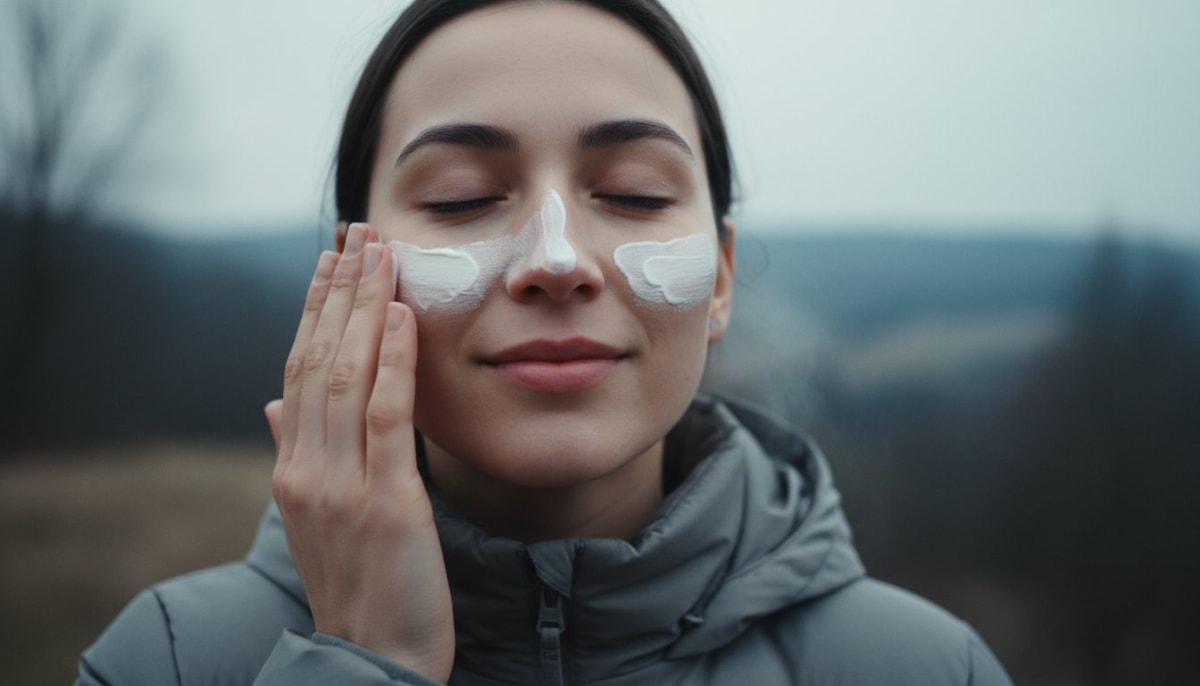
The dry air characteristic of cold weather also adversely affects skin health. As damage from UV rays and dryness occur simultaneously, a dual protection strategy using both sunscreen and moisturizer is necessary. Especially during the winter transition period when the sun sets early, it is important to meticulously apply sunscreen from the morning before going out.
Self-Diagnosis Every Month is Key to Early Detection of Skin Cancer
Skin cancer is a disease that is mostly treatable if detected early. However, often the initial signals are missed as people neglect even simple self-examinations. Designating a day each month to thoroughly inspect your body can be the starting point for preventing skin cancer.
The Skin Cancer Foundation states, “Self-examinations are simple but can save lives.” Ensure you check areas such as the nape or back using a mirror under bright light, not inadequate lighting. If a small spot suddenly enlarges or has unclear boundaries, obtaining a professional diagnosis is essential.
Annual Dermatologist Consultation is a Basic Routine
Those with a family history of skin cancer, low melanin pigment, or who work outdoors frequently are considered high-risk groups for skin cancer. For these individuals, it is recommended to have a dermatology consultation at least once a year. The Skin Cancer Foundation clearly articulates, “Visiting a dermatologist is the only way to early detection.”
Particularly, it is advisable to have a diagnosis as summer, which has more UV exposure than winter, approaches. Appointments may fill up quickly, so it’s best to plan ahead. Regularly documenting your skin condition and monitoring changes can also be of great help.
‘SAFE Sunscreen Bill’ Passage and a New Change
In the field of skin cancer prevention, it has recently gained attention that in the U.S., the ‘SAFE Sunscreen Bill’ passed, supporting the use of sunscreens containing safe and effective ingredients without animal testing. This bill includes a new ingredient, ‘bemotrizinol’, which can be incorporated into sunscreen formulations, providing effective protection against both UVA and UVB rays.
This is not just a change in product lines but a significant advancement in offering consumers more choices. The Skin Cancer Foundation states, “This bill marks a turning point for the future of sunscreens,” indicating that various options for skin health will soon be applied in the market.
Stories of Actual Survivors: Knowing Your Skin is Knowing Your Life
There is a big difference between just hearing about the severity of skin cancer and listening to the stories of actual patients. The official blog of the Skin Cancer Foundation featured the story of Dorothy Overstreet, who overcame Acral Lentiginous Melanoma (ALM). She revealed that the small black spot on her toe led to melanoma, saying, “No one expected it, but now everyone should know.”
As simple spots can be mistaken for unknown rare skin cancers or other skin conditions, the importance of self-examination and adhering to the principle of ‘a suspicious change requires medical consultation’ is emphasized. Her case reminds us of how a sensitive response to skin changes makes a big difference.

UV Protection, What You Thought You Knew Might Be Wrong
Many believe it’s okay to skip sunscreen on cooler or cloudy days. Dr. Anna L. Chien firmly states against this misconception, “UV rays are always present regardless of weather, and skin damage accumulates.”
Especially in times like these when misinformation about sunscreen safety spreads, evidence-based professional knowledge is required even more. Dr. Chien provides concrete and reliable answers to common questions such as ‘how often should sunscreen be used’ and ‘how to properly interpret SPF levels’.
2026 Campaign Announcement Against Misinformation
Misunderstandings about skin cancer still exist. Common myths include the belief that darker skin is less susceptible to skin cancer, it doesn’t affect young people, or all sunscreens are harmful. The Skin Cancer Foundation will officially launch a campaign to combat such misinformation starting in 2026.
The campaign will focus on addressing and correcting false beliefs through online quizzes, reports, and lectures. It is expected to enhance public understanding of skin cancer and improve prevention rates with activities focusing on real problem-solving rather than just words.
‘Destination Healthy Skin’ Program, Ending the 6-Month Journey
The mobile skin cancer screening program ‘Destination Healthy Skin’ toured approximately 16,000km across the U.S. over six months. This journey identified a total of 898 suspicious lesions, including 57 suspected melanoma cases, and provided 2,391 free skin screenings.
The results are more than a mere list of numbers. They illustrate how critical medical outreach is for many potential patients who remain undiagnosed. The message is that skin cancer prevention should be a public duty for everyone, everywhere.
Conclusion
The most effective way to protect skin health is to ‘know and prepare in advance.’ UV exposure is not seasonal, and early diagnosis and consistent care are key to preventing skin cancer. As the new year approaches, make sure to plan a healthy skin routine that allows you to be reassured even under the sun.
Skin health should be protected through continuous observation and management. “ will be your companion in daily skincare with reliable cosmetic solutions.
