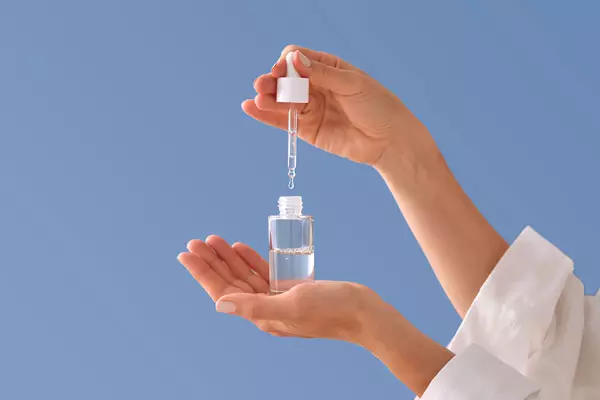
Real Issues When Mixing High-Concentration Ampoules into Cosmetics
With the trend of using ‘pure concentrate ampoules’ packed with familiar ingredients like Vitamin C, Niacinamide, and Retinol, mixing a few drops into existing skincare products is highly recommended. But does this seemingly simple method truly bring effective and safe results? Experts argue, “It’s not about how much you put in, but how it was formulated.”
Is the Belief That Higher Concentration is Better True?
Many ampoules on the market are advertised as having concentrations ranging from 20% to close to 100%. Consumers might easily assume, “More must mean better effect.” However, reality differs. Professor Park Cho-hee of Sungshin Women's University explains:
“Every ingredient initially shows increased effectiveness with higher concentration, but beyond a certain point, adding more does not enhance the effect.”
In fact, the Ministry of Food and Drug Safety provides recommended concentrations for key functional ingredients like Niacinamide, Arbutin, Retinol, Adenosine, and Vitamin C derivatives. Use within these ranges is deemed safe and effective.
For concentrations exceeding these, additional safety and efficacy documentation must be submitted and reviewed. However, some ampoules sold on the market have not undergone such reviews or may contain entirely different ingredients from those tested.
Even Similar Ingredients Vary in Effectiveness
Many choose products based on just the ingredient name. If a cosmetic containing ‘peptide’ is said to have functional recognition, consumers might expect all peptides to have the same effect. But that is a big misconception.
Since peptides are not listed as a functional ingredient by the Ministry of Food and Drug Safety, for them to be recognized as functional, the specific ‘Peptide A’ used in a product needs its efficacy and safety to be proven separately. If consumers mix a commercially available ‘Peptide B’ into existing cosmetics, expecting the same effect as A is unreasonable. Having the same ingredient name doesn’t guarantee the same effect.

The Pitfall of DIY Formulation – Skin Is Not a Test Subject
The process of creating cosmetics is not merely about mixing ingredients. Consumers often think that by adding more of a functional ingredient shown on the product label, the function will be boosted, but that’s far from the truth. Kim Young-gu, a representative doctor at Yonsei Star Dermatology, states, “High-concentration ampoules arbitrarily mixed at home can irritate the skin or cause inflammation.”
“Exceeding the optimal concentration for maximizing effectiveness can lead to increased skin irritation.”
Especially mixing ingredients like Retinol and Vitamin C that exfoliate can excessively peel the skin surface, making it sensitive. Adding high-concentration ampoules without knowledge of ingredient interactions is tantamount to experimenting on your skin.
The Key to Performance is ‘Formulation’, Not ‘Concentration’
Many believe high-concentration ingredients result in superior cosmetics. However, experts emphasize that ‘formulation’ is the real key to performance. Kim Young-gu mentions that during product development, pH, viscosity, preservation method, and ingredient compatibility should all be considered.
“Absorption rate and stability are determined by formulation and processing technology. It’s safer to use thoroughly tested finished products rather than mixing ampoules directly.”
Simply put, like crafting gourmet dishes, meticulous calculation of ingredients, cooking method, sequence, and heat control is essential.
Will It Change If I Adjust the Concentration Myself?
Some might think, “If I look into it a little, I could adjust the concentration myself, right?” But reality is not that simple. Professor Park Cho-hee notes that adding relatively non-irritating ingredients like Jojoba oil might be okay, but most functional ingredients are challenging for general consumers to calculate and mix appropriately.
Although the Cosmetics Act defines cosmetics as having ‘mild effects on the body,’ indiscriminate use of pure ampoules can pose risks outside this definition. It can range from mild rashes to chronic inflammation requiring medical treatment, transcending mere skin troubles.
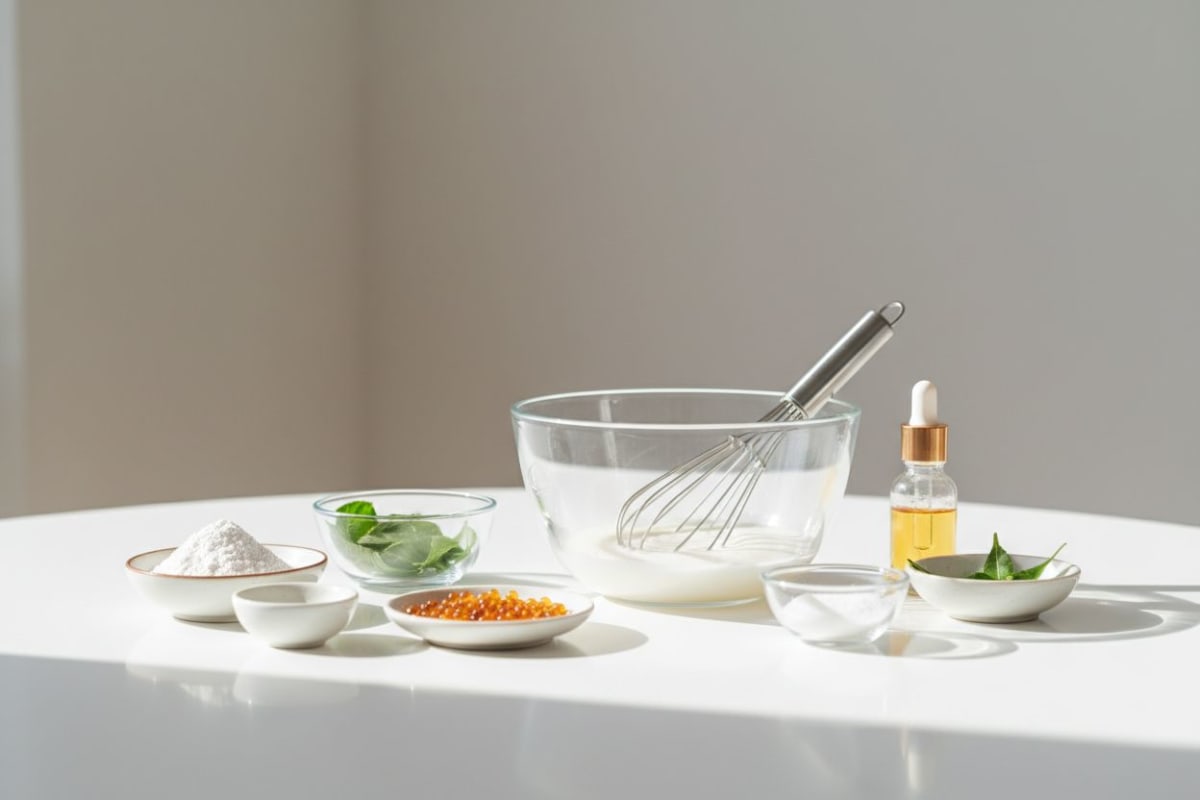
Side Effects Don’t Appear Immediately
If you used high-concentration ampoules and experienced no issues initially, do not be complacent. Kim Young-gu often sees such cases.
“While things may appear fine initially, symptoms like stinging, reddening, rash, or heat can occur 5 to 7 days later, potentially leading to dermatitis or allergies. Symptoms appearing 3 weeks later might be a delayed allergic reaction, necessitating caution.”
Even if there is no immediate response, it’s important to remember that cumulative irritation can affect the skin long-term. Skin troubles typically manifest over time.
Important Points to Remember When Purchasing Pure Ampoules
Some well-made ampoules are indeed available on the market. However, it’s not easy for consumers to distinguish these. One tip is to verify if the ingredient is listed as a functional ingredient by the Ministry of Food and Drug Safety and whether it adheres to the specified concentration levels.
Moreover, regardless of how famous a functional ingredient is, a certification process based on objective data should precede any promotional claims. Simply relying on reputations like “everyone recommends it” or “an influencer uses it” won’t help find the right product for your skin condition.
In Conclusion
Instead of chasing apparent high concentrations and quick effects, carefully evaluate the formulation and stability of a product, along with the compatibility of its ingredients. The concentration benefits are meaningless against unsafe combinations. Remember that skin is not an experiment subject but an organ requiring utmost care.
To truly understand the value of cosmetics, it’s important to thoughtfully consider the formulation and compatibility of ingredients. supports your skin’s health by offering practical and reliable products.
