
Counterfeit Cosmetics Threaten Consumer Safety and Industry Trust
As counterfeit products threaten the safety of cosmetic purchases in the U.S., the industry and government are taking strong action. The U.S. Cosmetics Association has especially drawn attention by launching a massive consumer awareness campaign. Released under the name ‘Buy No Lie’, this campaign aims to help consumers protect themselves from counterfeit cosmetics during the end-of-year shopping surge.
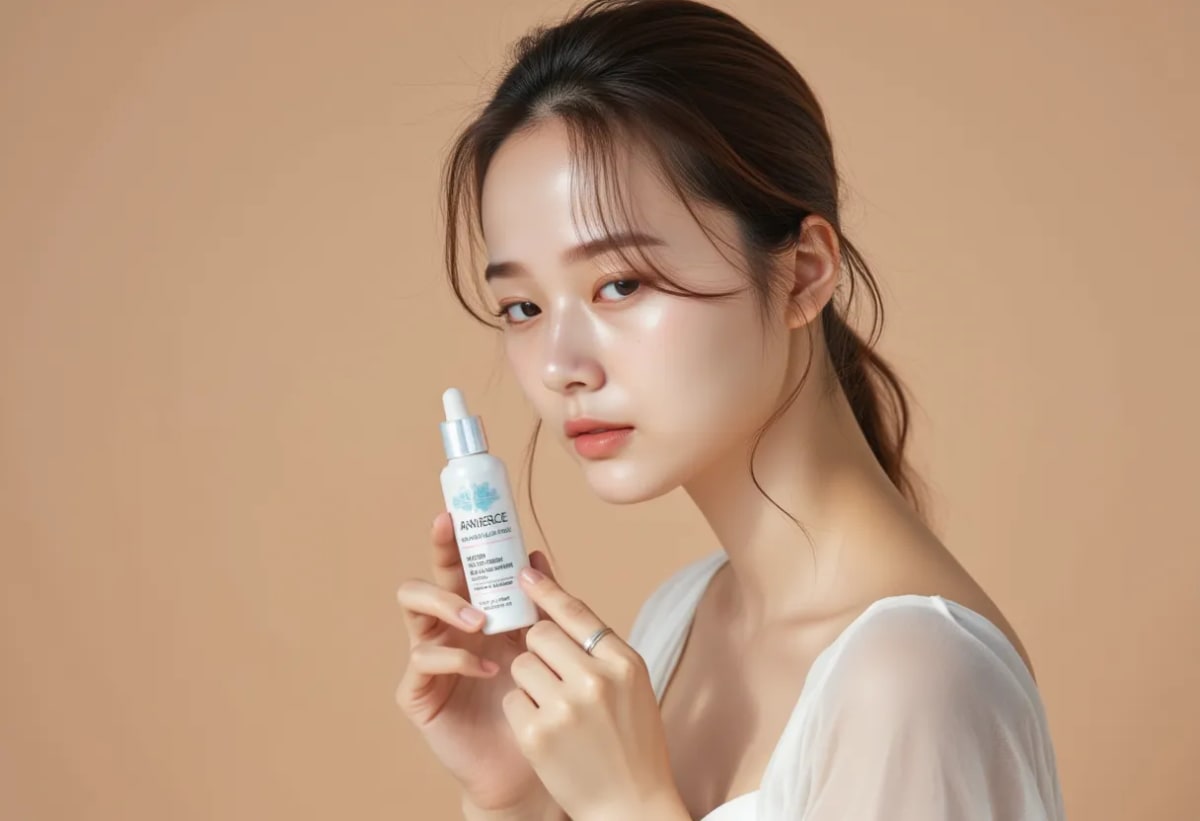
The Real Dangers of Counterfeit Cosmetics
According to data from the U.S. Customs and Border Protection (CBP), cosmetics are classified as one of the top eight most seized products. This indicates the wide distribution of counterfeit cosmetics and the ease with which consumers are exposed to them.
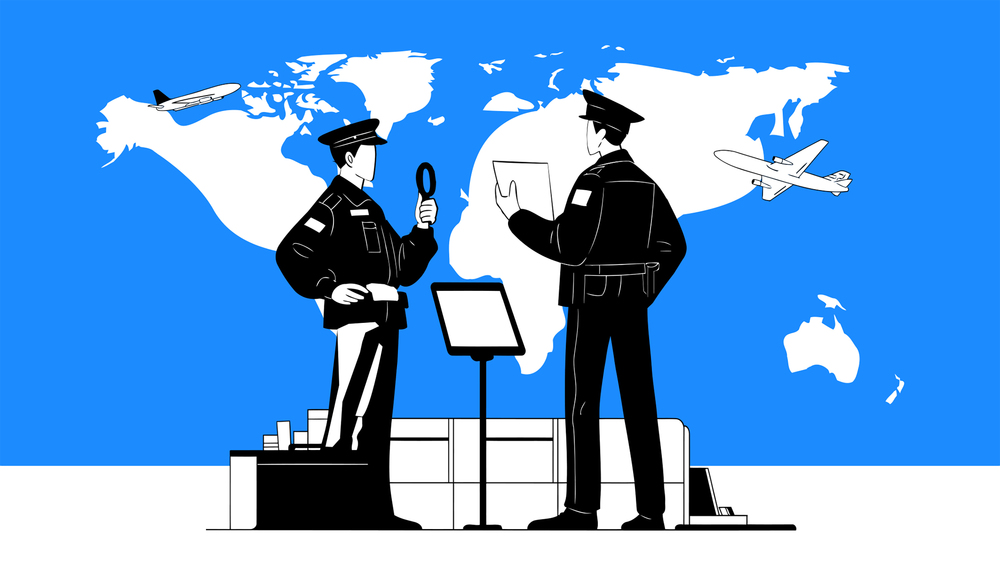
Tom F. Myers, Chairman of the U.S. Cosmetics Association (PCPC), issued the following strong warning:
“Counterfeit (or knock-off) cosmetics threaten the reputation of our cosmetics industry, but more importantly, they endanger consumers. They also devalue tens of billions of dollars invested in research, safety, and innovation.”
He further emphasized that counterfeit products cause direct harm to both industrial infrastructure and consumer health. Recognizing this reality, the industry is seeking solutions through proactive campaigns, considering urgent legal responses and consumer protection measures necessary.
Core Goals of the ‘Buy No Lie’ Campaign
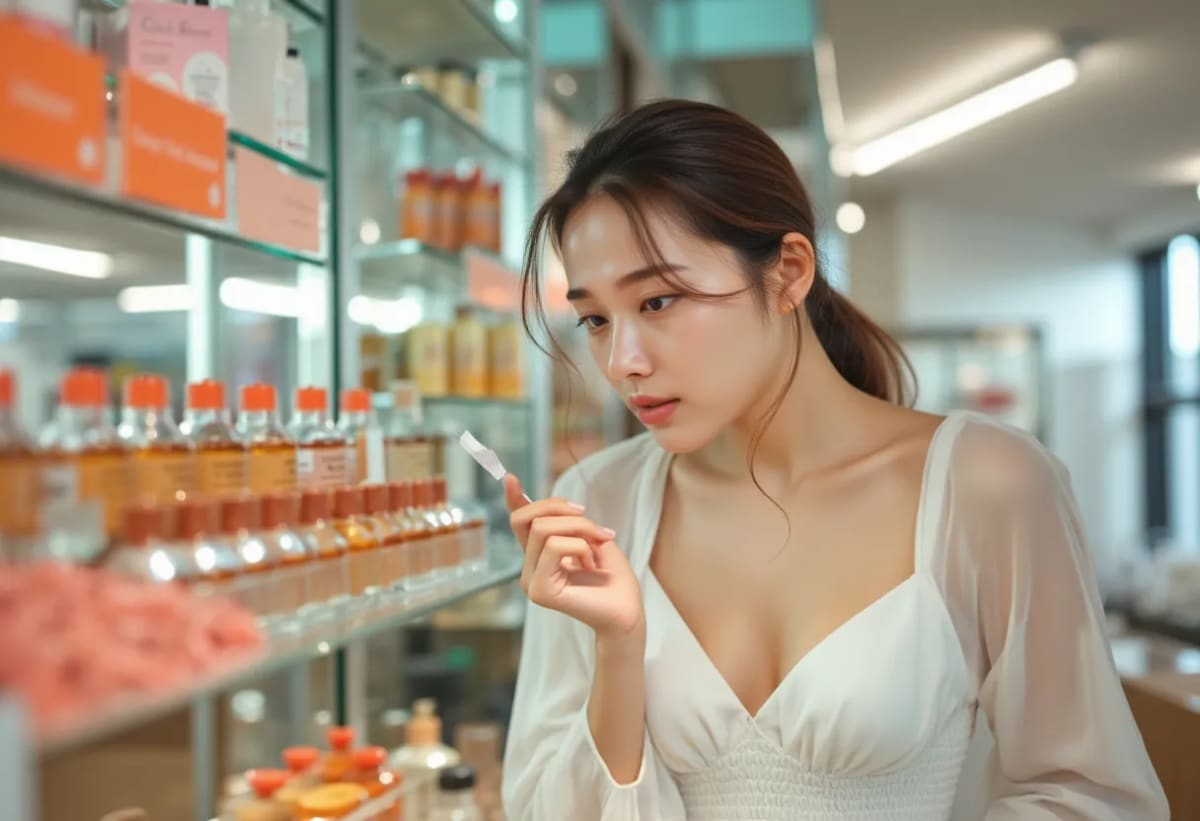
Amidst heightened consumer spending during the holiday season, there is concern about a potential increase in counterfeit cosmetic incidents. The ‘Buy No Lie’ campaign launched by the U.S. Cosmetics Association primarily aims to help consumers make informed decisions at the point of purchase.
The campaign offers educational materials to help the general public identify counterfeit cosmetics and involves a broad range of partners, including social media influencers, non-profit organizations, and government agencies.
Chairman Myers added:
“Helping consumers make wise and safe choices at the checkout counter is crucial. Doing so ensures their safety and protects their hard-earned money.”
Thus, enhancing consumer awareness has become as crucial as product safety.
Detecting Counterfeits Has Become Harder in the Online Era
PCPC’s Vice President of Communications, Tessia Williams, pointed out that as cosmetic distribution shifts rapidly online, identifying counterfeit products has become more challenging.
“Counterfeit cosmetics may appear indistinguishable from genuine ones at first glance, showcasing just how sophisticated and intricate packaging design can be. Consumers are finding it increasingly difficult to tell real from fake.”
Purchasing online particularly increases access through irregular distribution channels, thus broadening the scope of the risk. Consequently, this campaign’s education-focused nature reflects this trend. Empowering consumers with the ability to visually identify and question counterfeit offerings marks a realistic starting point for combating counterfeit cosmetics.
Everyone needs to make an effort to protect consumer safety and trust from counterfeit cosmetics. continually supports safe and trustworthy cosmetic usage for its customers and actively participates in related campaigns.
